Posted in Creative Nonfiction Essays, Finance, Writing

CQ: What does “Wealth” Mean to me?


Wealth. I suppose some would call defining the concept of wealth creative. I don’t. After being a finance professor for over 27 years, I take the word “wealth” in a very literal sense. No arguments! I’m the finance professor in the room.

In a capitalist society such as the one we live in here in the United States, wealth is simply defined as the monetary or exchange value of something. Economic value, if you will. An example. Investors and speculators own corporations. Each part of the corporation is called a share. Each share has a monetary value. If a share of XYZ, Inc. is worth $10, then an investor who owns 10 shares has $100 of value in that corporation. That is called shareholder’s “wealth.” After my own professors in my Ph.D program convinced me of this,, through fear of retribution, and teaching it for so many years, I do indeed believe that wealth can be defined in terms of economic or monetary value.

Wealth is used in a similar manner throughout the quantitative business disciplines. I take the concept of wealth as factual and accurate and as I defined it in the first paragraph.

Can “wealth” and “creative” be used in the same sentence? Some large banks, non-banking institutions, and other financiers certainly tried to do that during the recession of 2008 when they used all sorts of creative financing methods to lend money to homeowners who really didn’t qualify for mortgages. The economy almost collapsed due to such shenanigans. That’s what I call the creative use of the word “wealth.”

Are there other creative meanings to the word “wealth?” I suppose we could say we are wealthy if we have a plethora of kittens or puppies or the love of our families. That is the warm and fuzzy side of wealth and I think there should be another word to describe such states of mind, not the word “wealth” which is clearly so useful in the business world. Maybe we should say we have an abundance of kittens or our cornucopia runneth over with the love of our families instead of using the business-honored word of wealth. We certainly would not describe the state of our corporations’ shareholders by saying “shareholder’s abundance” or “the shareholder’s  of XYZ, Inc.’s cornucopia runneth over,” would we? That would not be correct business terminology. Wealth has to be quantifiable, measurable. It’s hard to measure the value of said puppies or kittens or the love of our families.

Now you know this writer’s definition of wealth. What you don’t know is how much fun it has been writing this post and being the curmudgeon in the room! #amwriting #amblogging #writing #creativequestions

In response to Creative Questions

Posted in Politics, The Economy

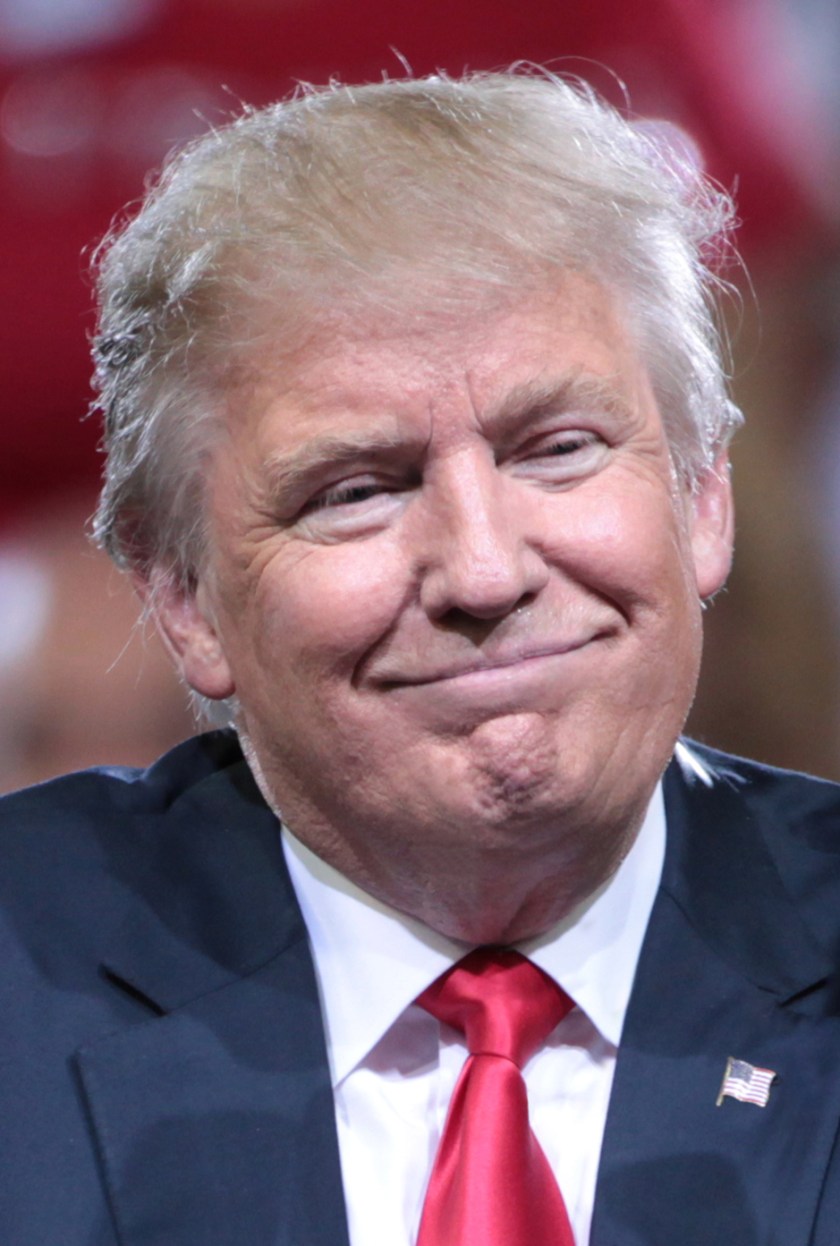
Trump, Trade, Labor, and Banking

img_0367

I have news for President-elect Donald Trump. It’s too late. It’s too late to stop globalization. The internet, global communications and transportation, and corporate and banking connections and interdependencies reached the White House before he did. Donald Trump seems to think he can step into the White House and turn back the hands of time. But the globalization trend has already been there and it may be too late to become nationalists and isolationists now.

There is no doubt that Trump has a point. The middle class are suffering at the hands of globalization. Jobs in the hundreds of thousands have been shipped overseas. But there are several reasons for that. One reason is that labor is cheaper overseas. There is another reason. Many jobs in the U.S. are being performed automatically and do not require human assistance. In other words, robotics. Unions are absolutely not solely to blame. Cheap overseas labor is not solely to blame. We are innovating ourselves out of manufacturing jobs through the increasing use of robotics and technology.

I’m not particularly a fan of trade deals myself.  Mr. Trump is likely to slow down or halt negotiation of the TPP. However, the U.S. has become a service economy. What are we going to do for goods and products if we don’t negotiate trade deals? The plants that used to produce them are gone and if they still stand, they are woefully deficient in the technology required to produce those goods and products. It will take a generation to get those plants on-line again. I wonder if the people who voted for Mr. Trump realize how much those goods and products would cost after the cost of getting those plants back on-line and training the workers were factored in.

The stock market has been soaring since the election. Sure, this has to do with investors expecting, or perhaps just hoping for, economic growth under President-elect Trump. The stock market’s engine is investor expectations. What is likely to happen, in reality, is a drastic cut in the corporate tax rate in order to lure U.S. corporations with headquarters overseas back home and to keep corporations contemplating a move from making it.

Globalization started slowing down years ago. It is only growing at about 2 percent per year, a result of our low GDP. Since the financial crisis of 2007-08, cross-border lending between countries has slowed considerably because bank regulators took hard looks at the international lending practices of the big U.S. banks. Lending across borders is taking a huge risk with depositors’ money. We should be glad that regulators are trying to hold the line on that kind of foreign investment. Instead, Mr. Trump is likely to try to loosen up regulation on the banks to stimulate more foreign investment, taking increasing chances with our money.

In the meantime, we have a President-elect who is a businessman. Not necessarily a bad thing. But what about foreign policy? While he is negotiating deals, who will have their hand on the foreign policy button? #amwriting #amblogging #writing #banking #trade #labor