Posted in #atozchallenge, Challenges

F is for Family – #AtoZChallenge – April 6, 2024

Theme: Aging and Associated Issues

#AtoZChallenge

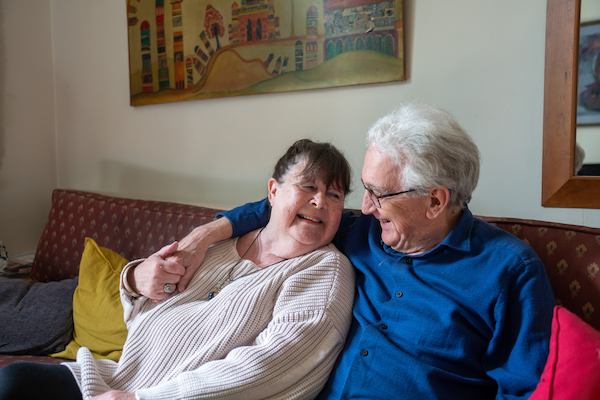
The relationships between generations of families is rapidly changing, not just in the U.S. but in much of the world. The generation that is aging right now is the baby boom generation. This generation changed a lot in the U.S. and in the rest of the world, The generations behind us are very different. The baby boom generation is actually where the attitudes starting changing about taking care of the elderly. Now, the generation behind us, those in their 40s, is called the “sandwich generation” because 40% of households in their 40s include both an elderly parent and children.

Often,the elderly (who are now usually the baby boom generation), don’t particularly want to live with their children. Illness may make it necessary. Money may also make it necessary. In the U.S., assisted living facilities and nursing homes are prohibitively expensive. Other cultures take care of their elderly far better than the U.S.

There are subcultures in the U.S. that still do feel a desire and a responsibility to take care of aging parents. One area where this subculture lives is the area where I live, Appalachia. You find many multigenerational families in my area of the world. In some other cultures in the U.S., children often live thousands of miles from where they grew up which doesn’t foster the ideal environment for a multigenerational family.

The elderly who have strong family ties often report a stronger immune system, less illness, improved mental and physical health, and a longer life overall. Work on your family relationships during your life so they will remain strong and supportive as you age. Check out government eldercare resources for very good information on family life and aging.


Posted in #atozchallenge, Challenges

D is for Depression – #AtoZChallenge – April 4, 2024

#AtoZChallenge

Depression is often a condition people who are aging suffer. It may occur after retirement because people find themselves at loose ends and can’t find a way to structure their life without work. It may also occur because older people lose family and friends at this time in their life. Bouts of depression are normal for the aging, but clinical depression is not. Older people often feel very satisfied with their lives despite the changes going on around them. I find that the twists and turns of life are easier to accept at this older age than when I was younger.

Depression is very treatable by your physician. There are things you can do yourself to combat depression. One of the best activities is to try to live in the moment. Don’t engage in too much nostalgia or in much worry about the future. Find things you enjoy at the present moment. A good meal, the birds singing, the company of a friend, a good book are just a few.

If you notice symptoms like the following in an older friend or relative, reach out to them and offer to help: sadness, anxiety, overeating, oversleeping, irritability, loss of interest in favorite activities, difficulty sleeping, or talking or moving more slowly than usual.

There is mild depression that starts and ends quickly. Then, there are other kinds of depression that may need the attention of a doctor along with medicine or therapy. It’s important to see a doctor if the more serious forms of depression are present.

Here is a good resource if you need to find ways to stay socially active. Often, staying physically active may help any depression you may feel. You may already be shaking your head no, but just consider some of the activities you will find here.

Posted in Flash Fiction

A Solitary Life

IMG_0759

Janice was glad to get out of the house. Her weekly trip to volunteer at the Red Cross was one of her only activities where she actually went somewhere. Not only did she feel useful there, but she had other people to talk to.

Janice had caught the city bus at the bus stop near her home. She lived alone. Janice’s husband passed away two years ago. She had little extended family and they didn’t have much interest in her. She had some friends, but she didn’t expect them to babysit her. She tried to fill her time the best she could. She didn’t even know her neighbors.

When she got to the Red Cross office, she sat down at her desk and started doing the administrative chores she was assigned. It was rewarding. As volunteers came in and out, she got to talk to her friends. One of her friends asked her to go to lunch later in the week. She happily accepted.

She took the bus back home at the end of the day and resumed her solitary existence. She was a reader, a writer, and she did beautiful needlework. She supposed it was enough.