How often in your life have you judged someone, perhaps not even realizing what you were doing? I think we all may be guilty of judging others without full information or even the right to do so. Judging is only part of what is tearing our country apart in the U.S. There are many other factors but judging our friends and neighbors for their political and personal beliefs ranks right up there at the top.
In the last eight years, U.S. society has become more polarized than at any time since the civil war from a political perspective. It’s very much an atmosphere of us versus them. During this time, many of us have lost friends and even family because one or the other of us were judged harshly for their political beliefs. The political beliefs that each side holds couldn’t be more different. One side wants to maintain the progress of the U.S. and try to improve it. The other side wants to take us back to the past and even worse, establish a fascist regime. We all have friends on both sides of this argument.
What do you do if you are on one side and a friend is on the other? Do you judge that friend for their political beliefs and in the process, you realize you may lose that friend? The number of people in the U.S. over the past eight years that have lost friends and family because of our political divisions has become innumerable.
What is the solution? Can you maintain a friendship with someone on the other side of an issue or many issues? Can you just not bring that into your conversations? Can you refrain from judging your friend even though you don’t agree with them? Believe me, it’s difficult since almost all the conversation currently is about the politics of the U.S.
I don’t have a solution, but what works for me is just talking to my friends as always but avoid the politics discussion if possible. I realize that will never solve anything, but I’m starting to wonder if judging people based on their political beliefs is becoming entrenched in our culture. There may be no turning back.
This is #weekendcoffeeshare #177. Good morning and happy weekend! Come right in and share a cup of coffee or tea with me and we’ll catch up.
I hope you’ve all had a good week. In the U.S., it was a week starting with a Monday holiday. We celebrate Labor Day on the first Monday of September. Labor Day is to celebrate the hard-working middle class and union workers in the U.S.
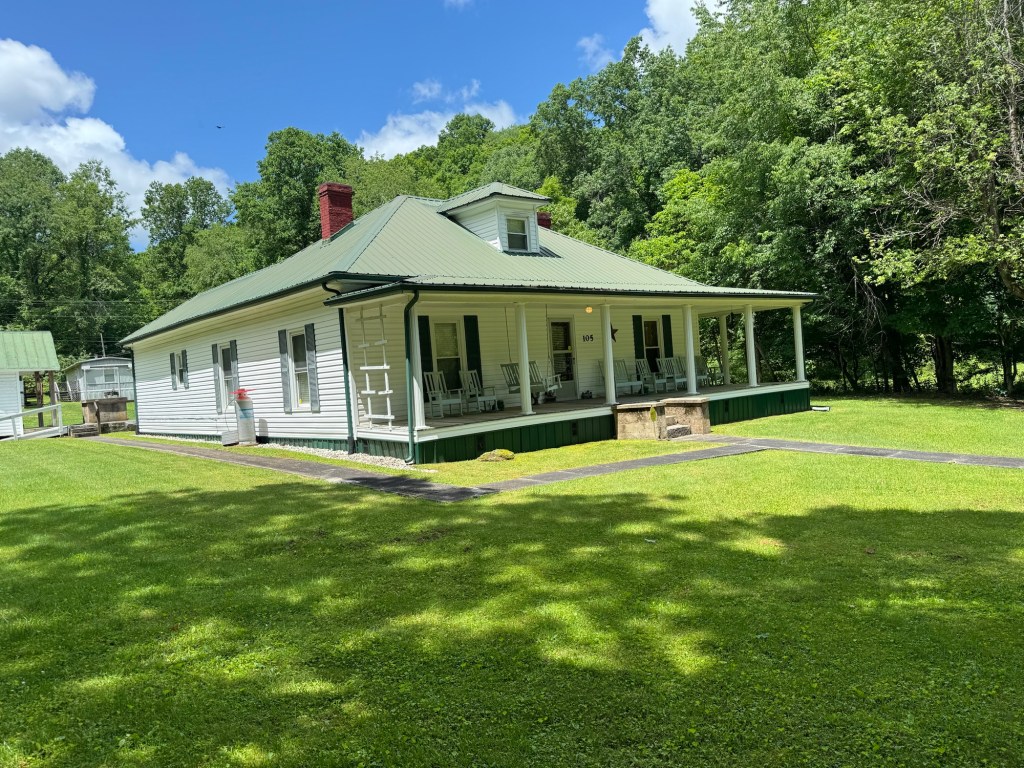
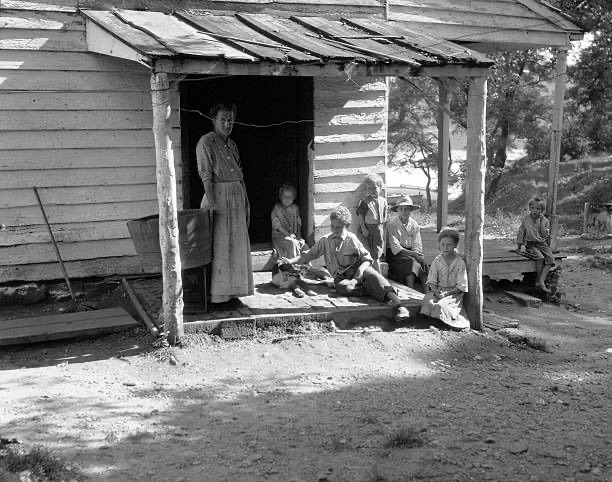
If we were having coffee, I would share with you what we did for the Labor Day Holiday this past Monday. We went to my cousin’s home, deep in Appalachia. Actually just about 60 miles from where I live. Just a day trip. My cousin passed away back in the spring, but her husband is still living in her family home. He isn’t well and we went to visit. I don’t remember a time when he wasn’t in our family.
He is old now and my cousin’s death has made him older. They were together since they were children, then married. It’s quite a love story. He’s pretty lost without her. It was very good to visit with him.
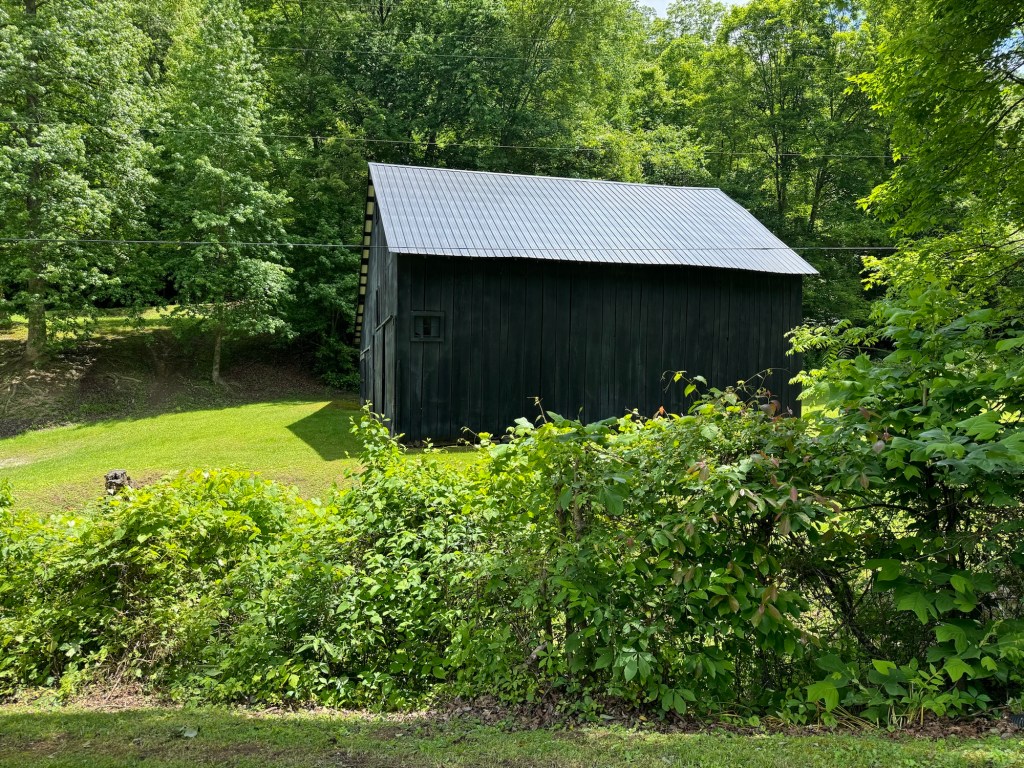
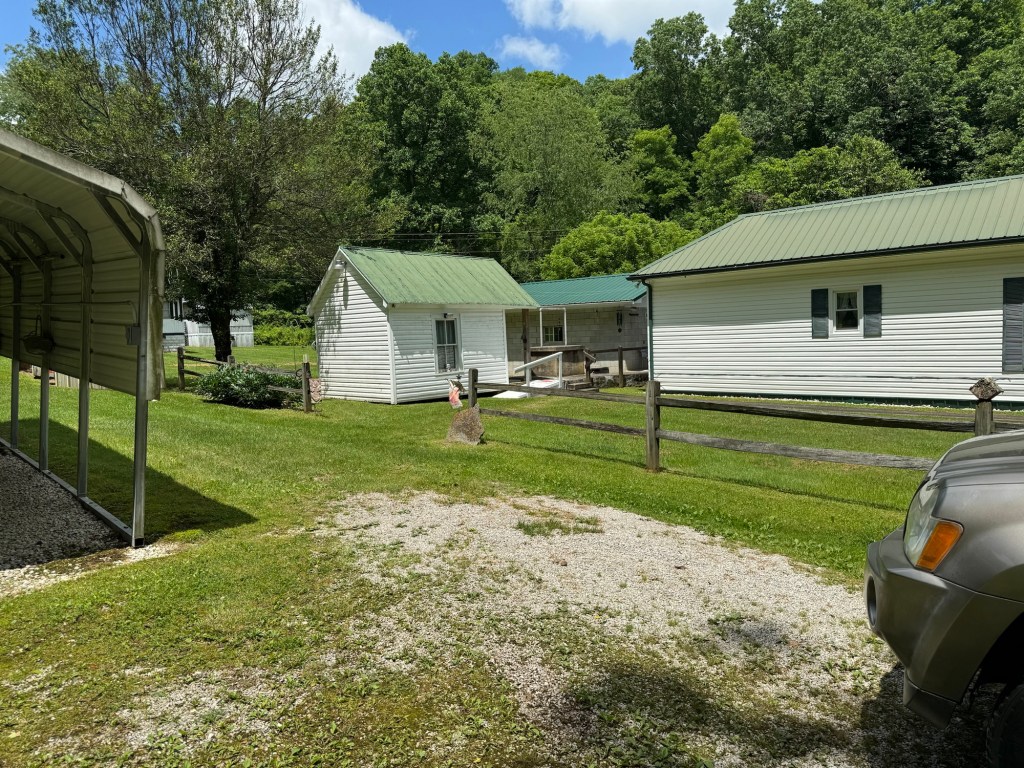
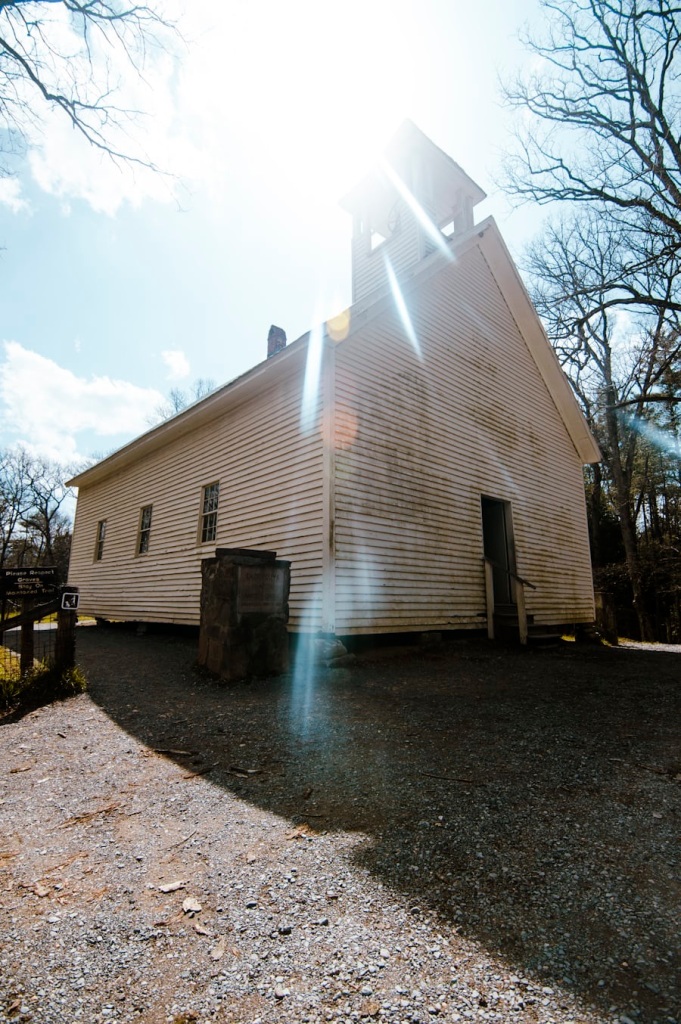
My cousin’s home and our family’s home place
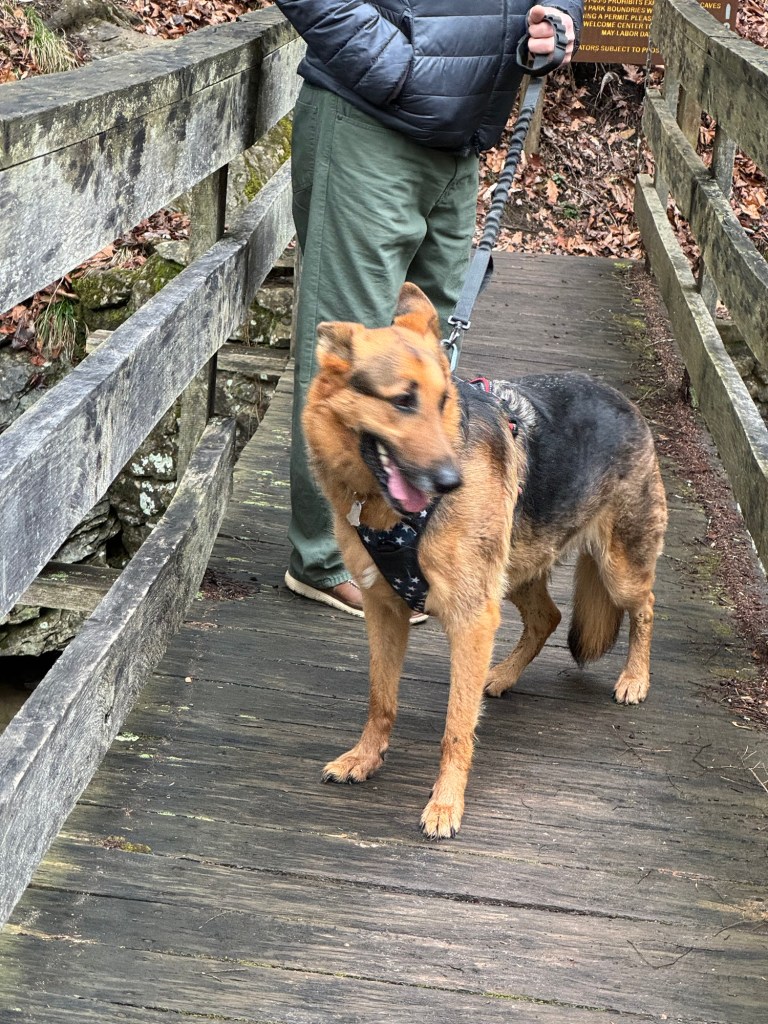
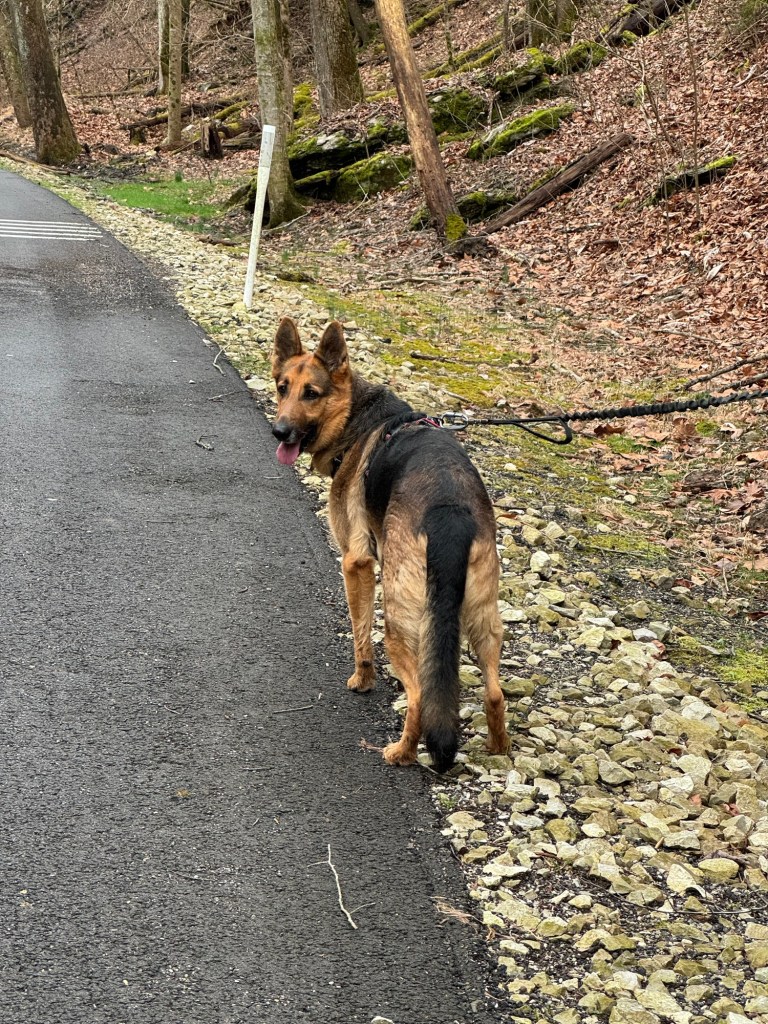
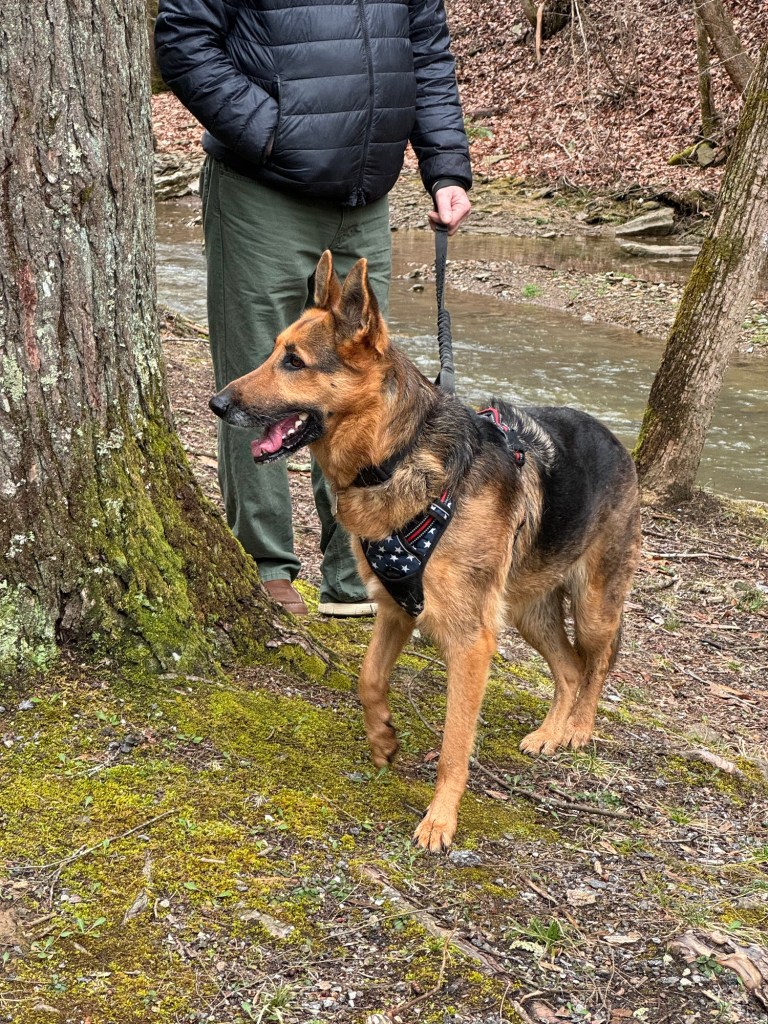
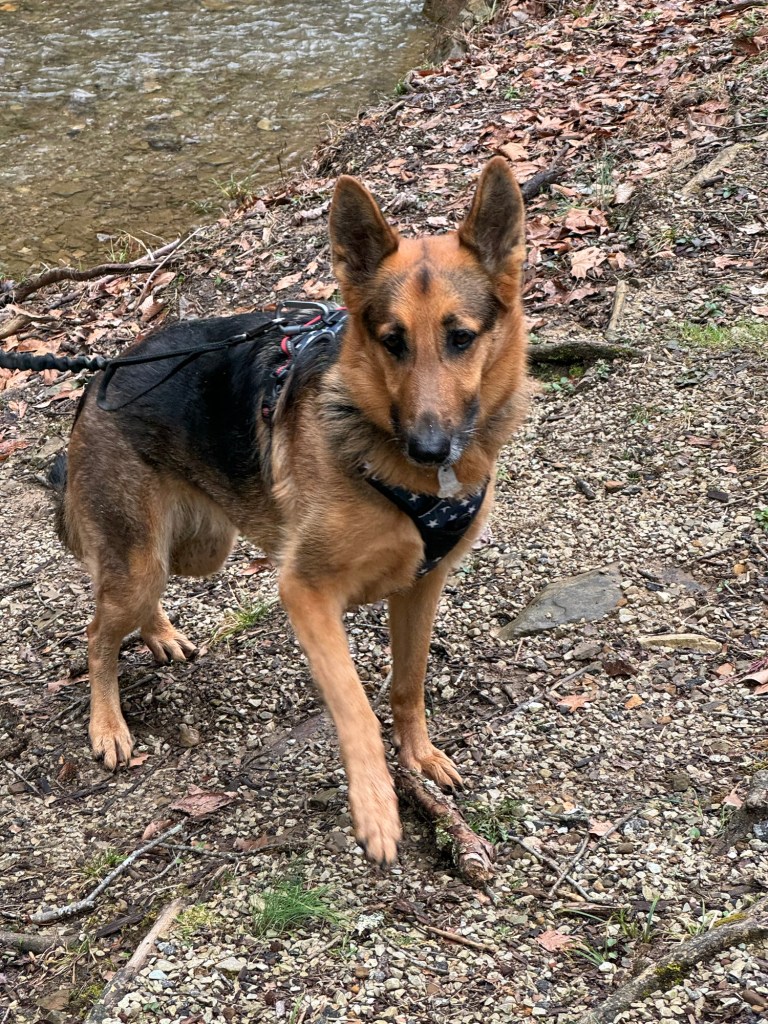
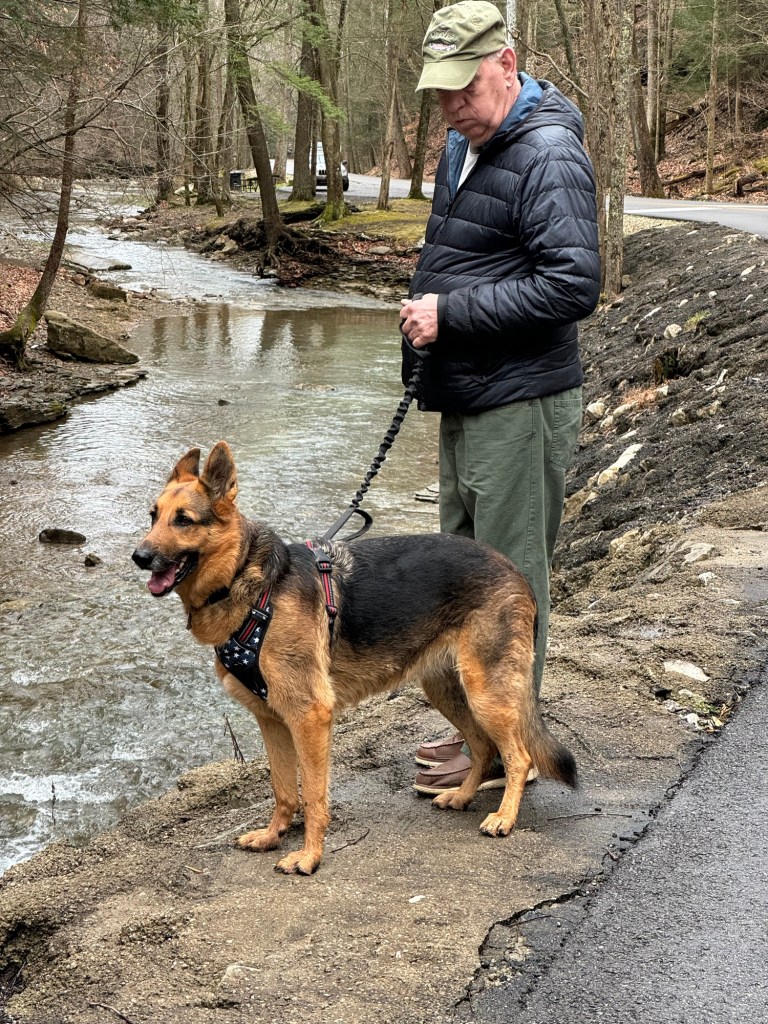
We took our German Shepherd dog, Sophie, with us. She absolutely love riding in the car and we try to get her out for a road trip as often as we can. Of course, she gets either ice cream or a hamburger along the way as her special treat. Sophie is an excellent traveler. When we make stops, she is gentle and kind to anyone she meets. People seem to gravitate to her.
Sophie got to meet some new people, go for a walk in a different area and visit the county vegetable market. By the time we got home, she was ready to lie down and sleep. She was so excited all day that she totally tired herself out! She is a delight to us, a constant bright spot in our days. As you get older, you need all the bright spots you can get!
The weather here in the Upper South of the U.S. was wonderful all week. September and October are two of our most gorgeous months. It was hot this week, but the humidity was not as bad as it had been in the earlier part of the summer.
I don’t vegetable garden because I live in the forest, but I do some flower gardening. I didn’t do much this year and it’s a good thing. My perennials really suffered in the constant 90 plus(F) degree temperatures. I’m not sure which will come back and which won’t. I may have to replace a lot of plants next summer.
I have so many projects going that I don’t know what to do first! Yes, one of them is a writing project. I don’t know yet if it is the beginning of a novel or a long short story. I’m at a spot where I’m sort of stuck regarding the plot, so I have to figure that out. I am enjoying writing this story and am anxious to see where it takes me.
I’m considering writing a cookbook with a friend. If we go ahead with it, it will be a compilation of recipes from the southern United States. The U.S. South has a special culture and its own food traditions. I think we can make it a delightful read if we can get an outline and get started.
Hello everyone and welcome to my weekendcoffeeshare for the week beginning August 23, 2024! Please come right in and join me for a catchup and a cup of coffee or tea. Please help yourself to whatever you like.
If we were having coffee together today, I would tell you that I haven’t participated in the coffee share or in any of the challenges for about three weeks now. Why? Put simply, life got in the way! There have been lots of things, some good and some not so good, going on that has taken my focus (and time) away from writing. I’m getting back in the groove now.
My flower gardens are just about gone for this year. We have four distinct seasons here in my location in the U.S., Kentucky, Upper South. Summer is coming to an end. We’ve even had nights down in the 40s though the days are still mostly hot, even some in the 90s. We have had an awfully hot summer and some of the plants I have traditionally grown have not done so well this year. Others have fared very well. I think climate change will eventually change our growing zones and that is perhaps happening in my location even now.
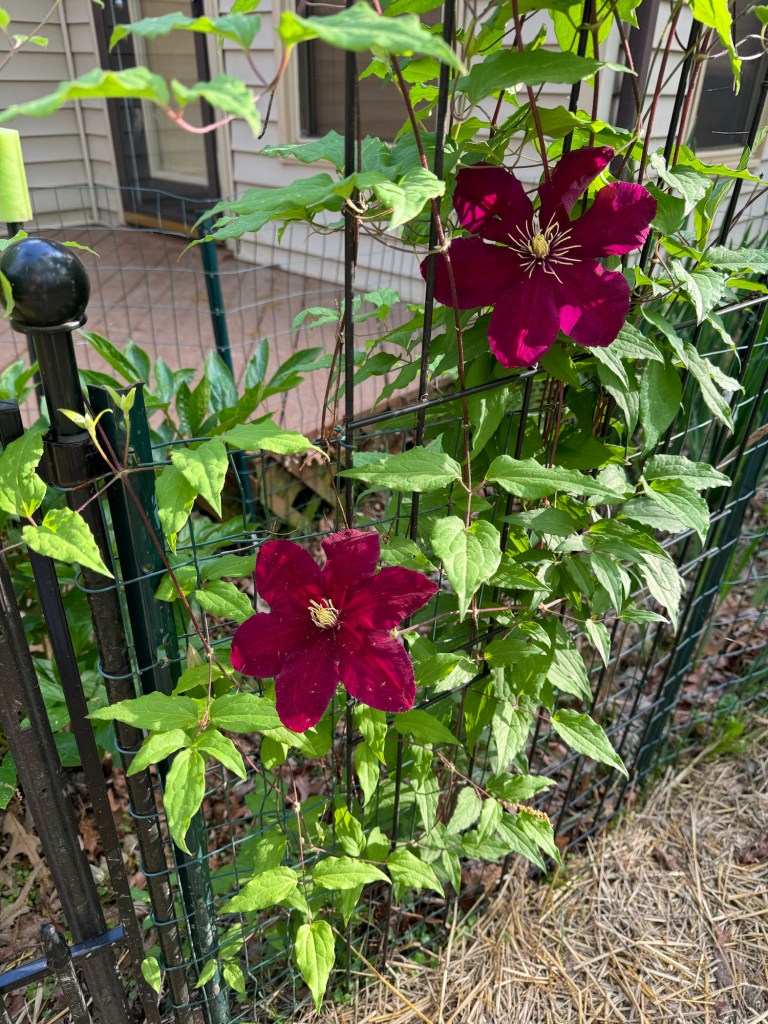
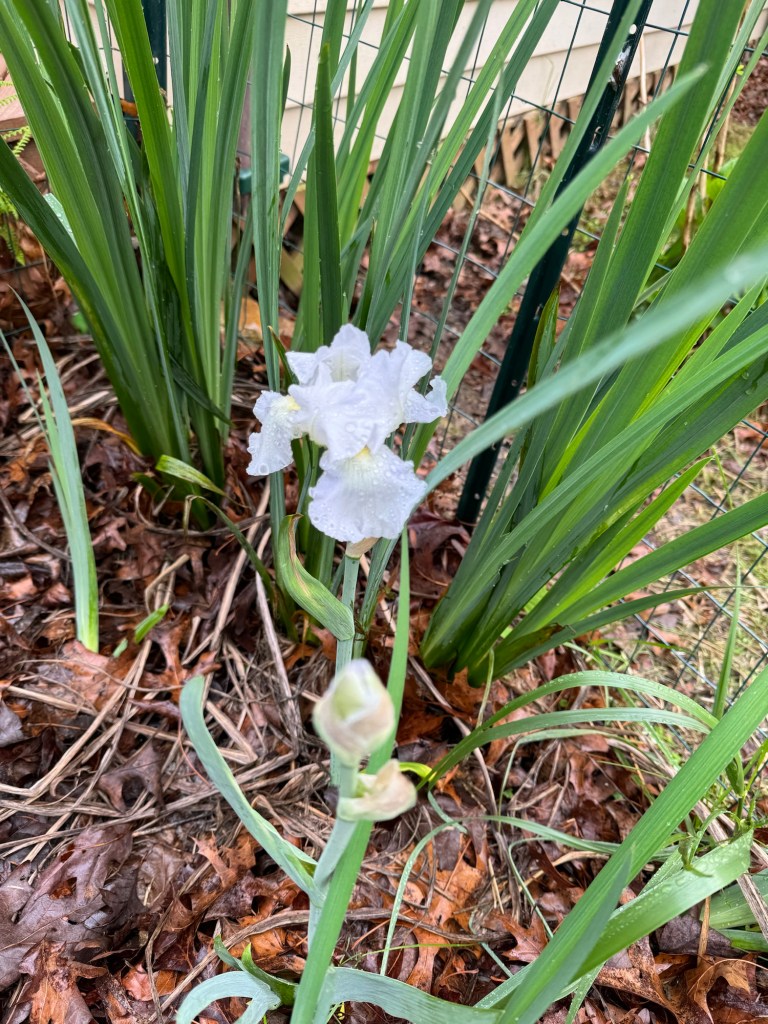
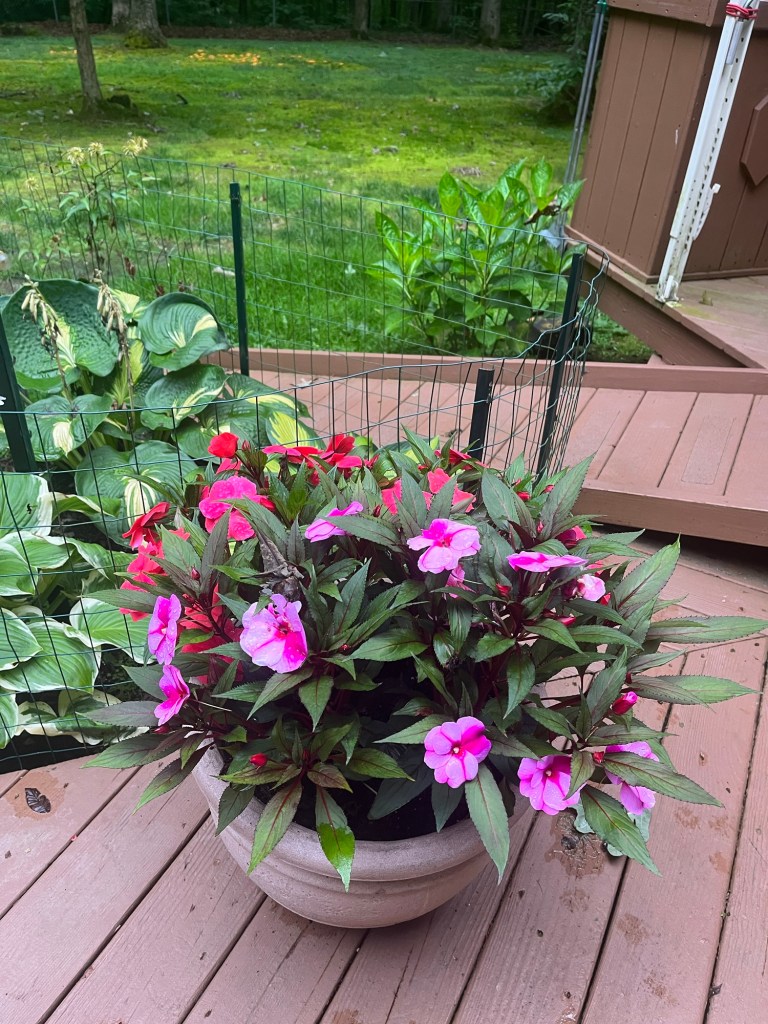
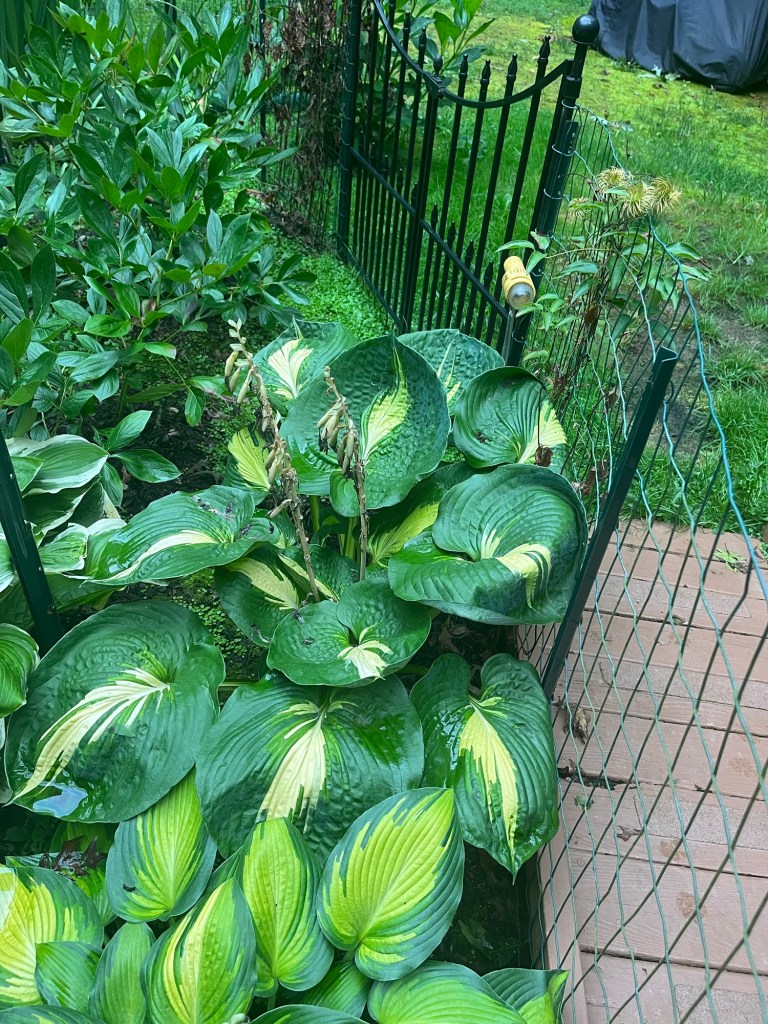
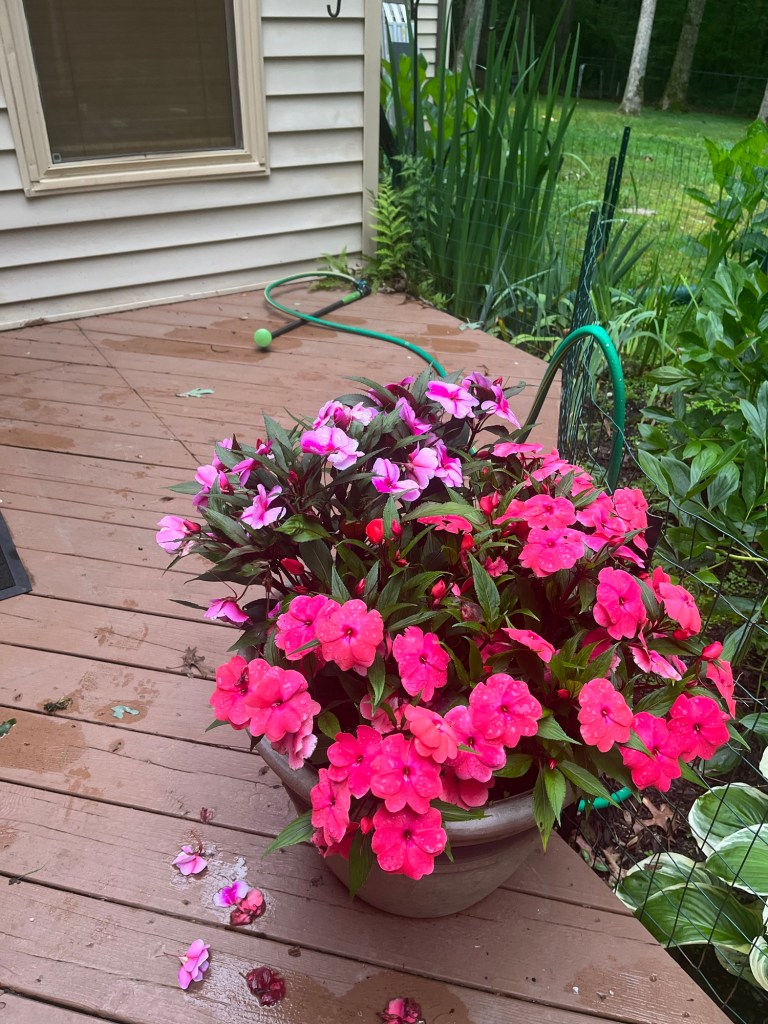
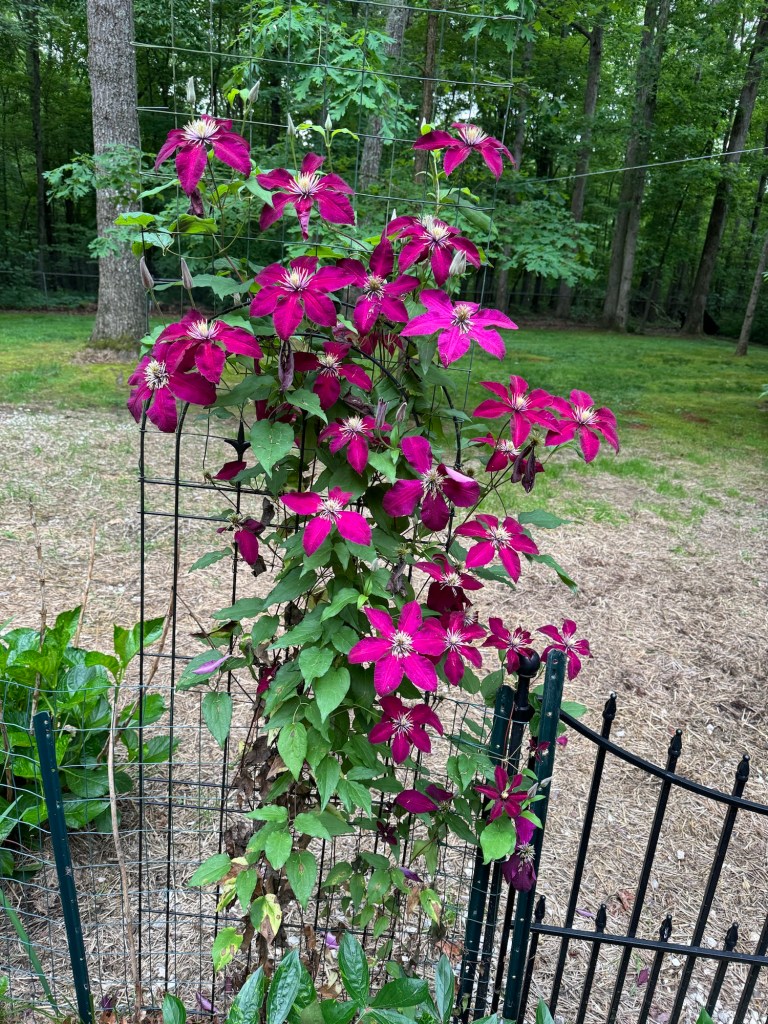
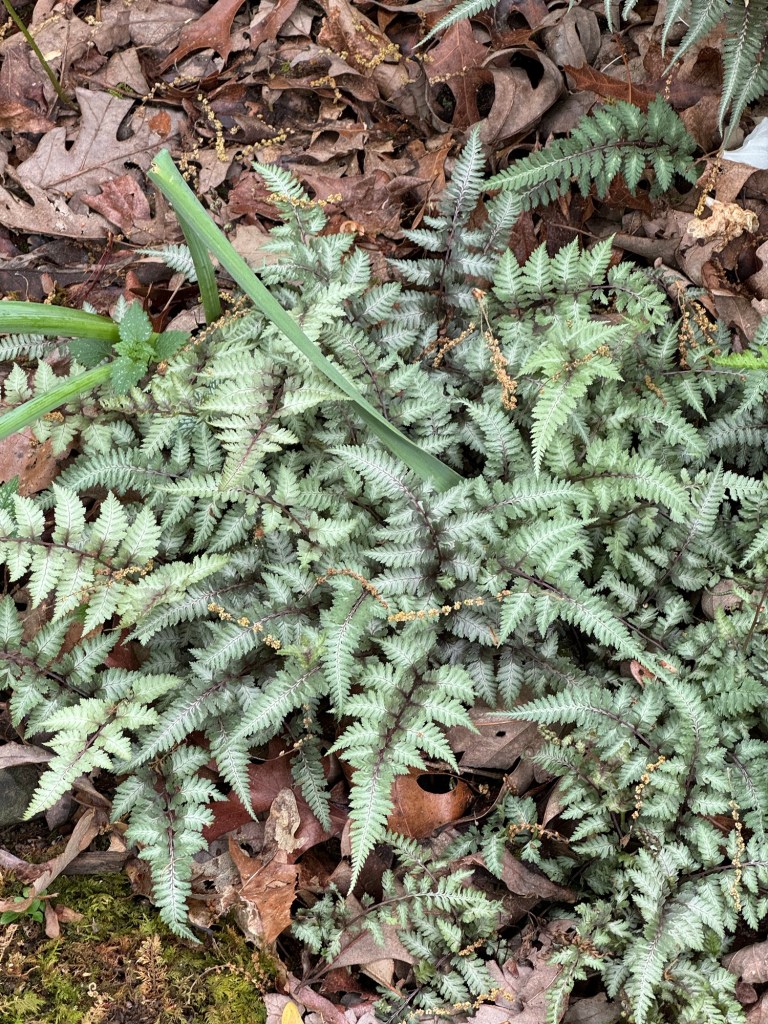
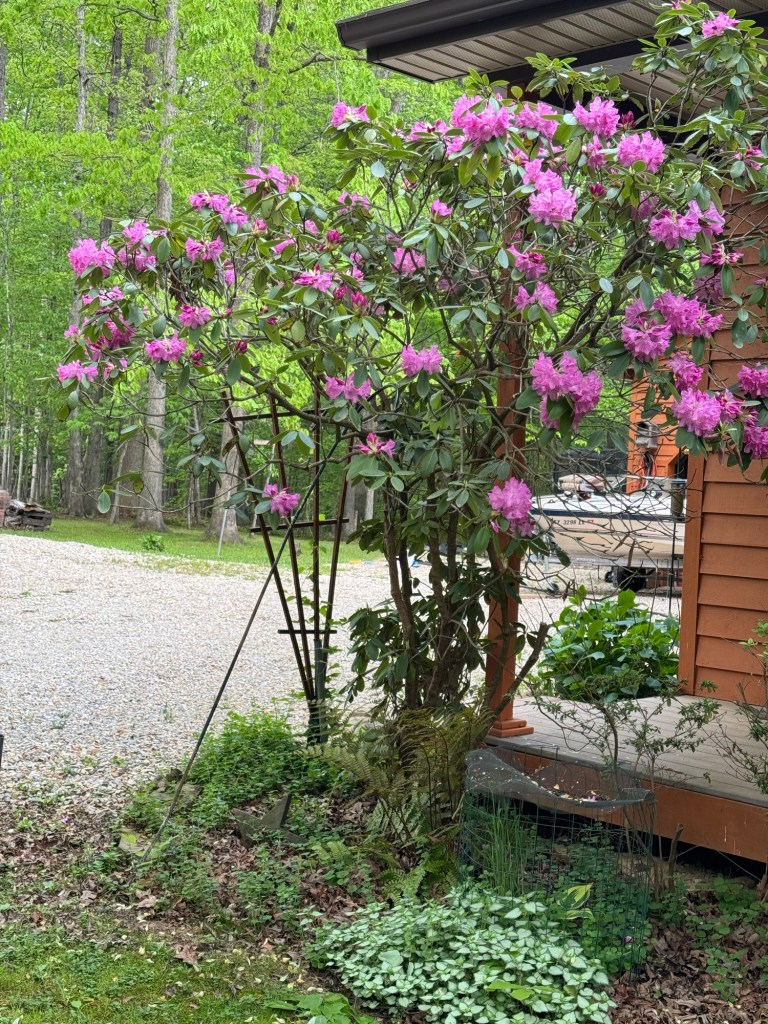
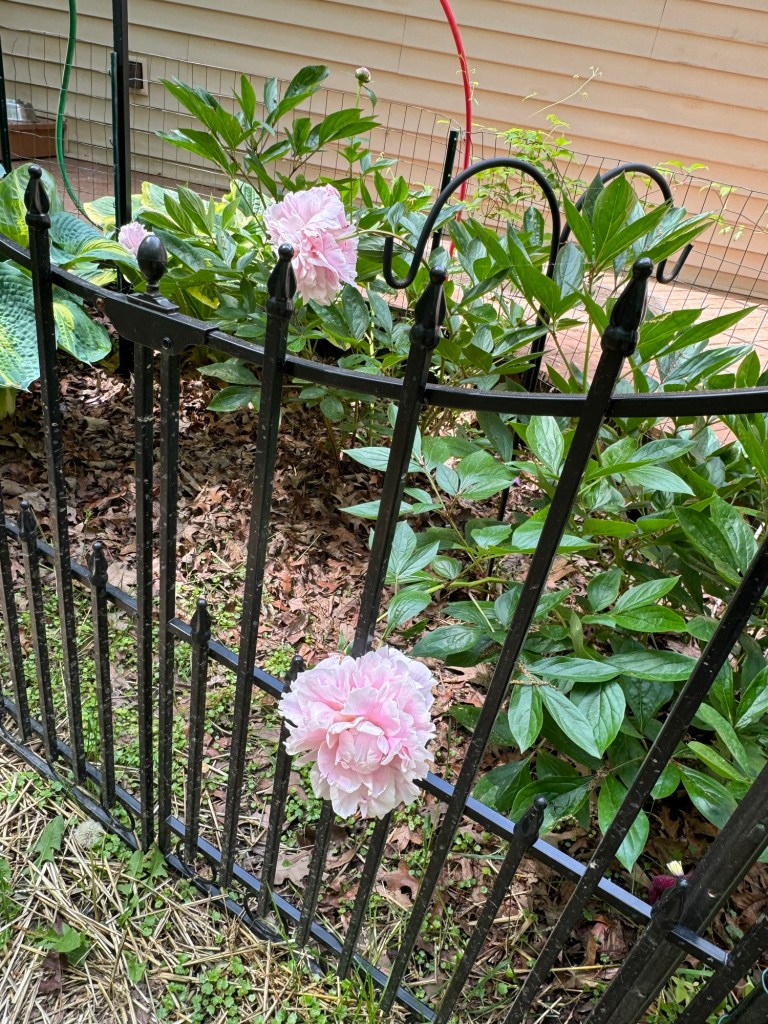
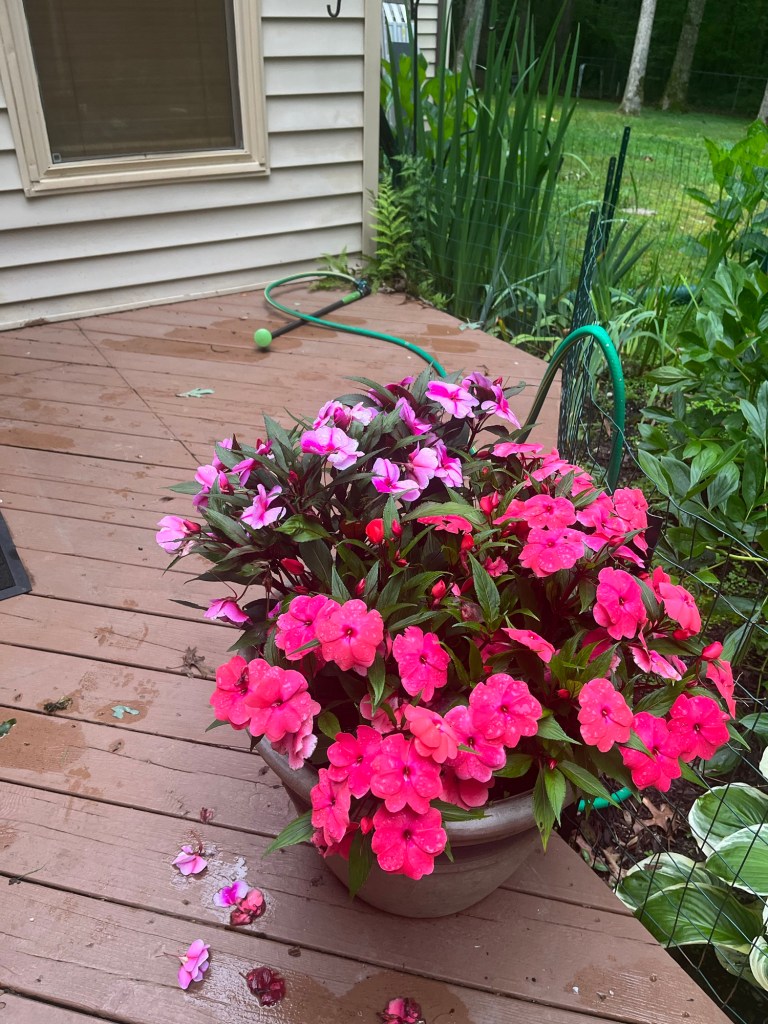
Here are some of the plants that I’ve managed to grow this summer.
They have been nice and brightened up my yard, but the weather has been hard on them. These are not plants that do particularly well when the temperatures are in the 90s every day. Very unusual for my area.
My husband and I have both had some health issues pop up recently. He will have to have some eye surgery in the fall. As for me, it is going to take a specific and very restrictive diet. There is nothing, and I mean nothing, to eat on this diet. I’m already thin and I really don’t want to get any thinner, but I suspect that will happen! Getting older is not for sissies!
I’ve been fortunate to be able to talk to and see some friends and family recently. That always helps everything seem better. I had a small nuclear family, but I have a big extended family on both my mom’s and dad’s sides of the family. I also have good lifetime – and new – friends. We have had a lot of support over the past few weeks.
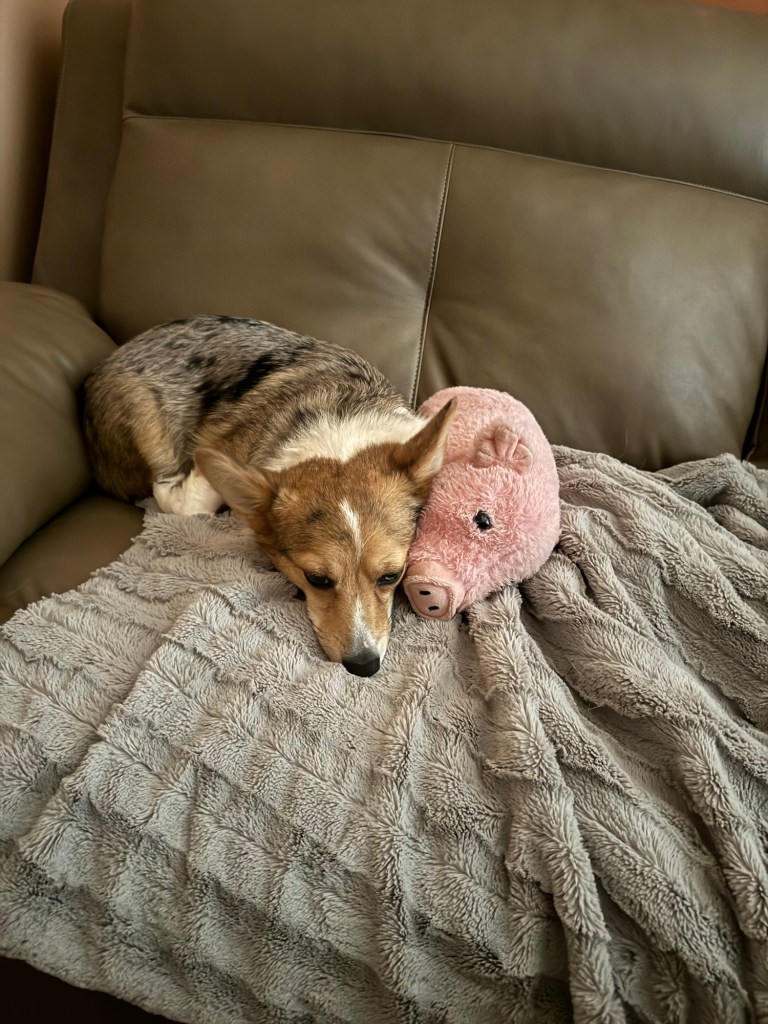
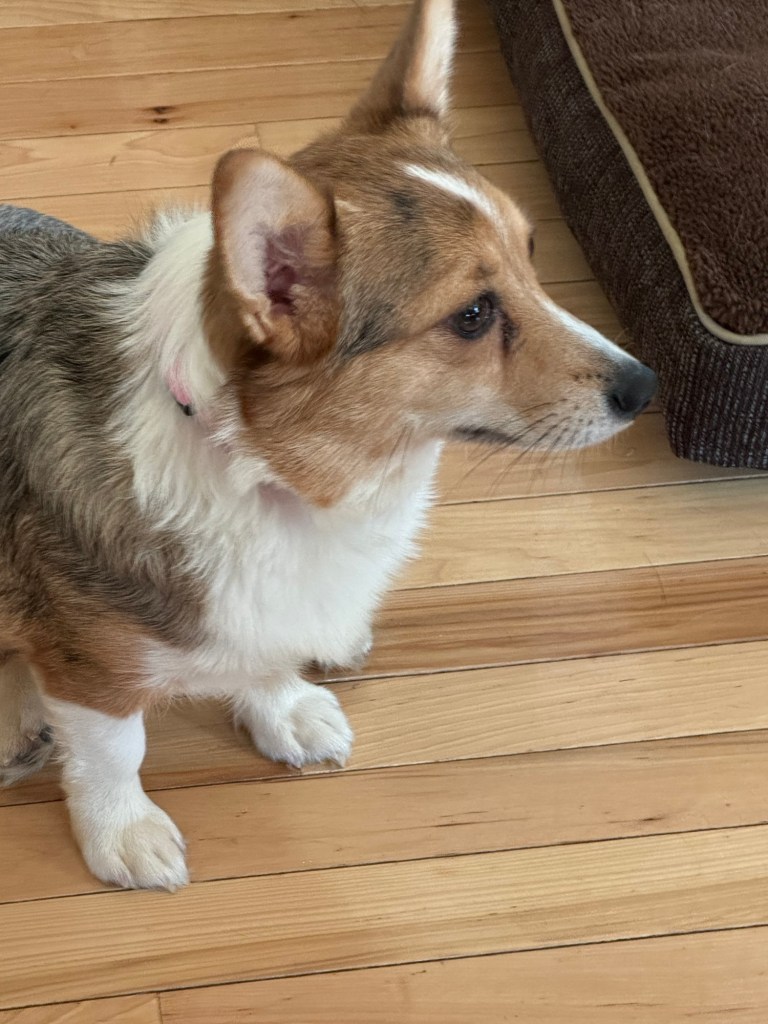
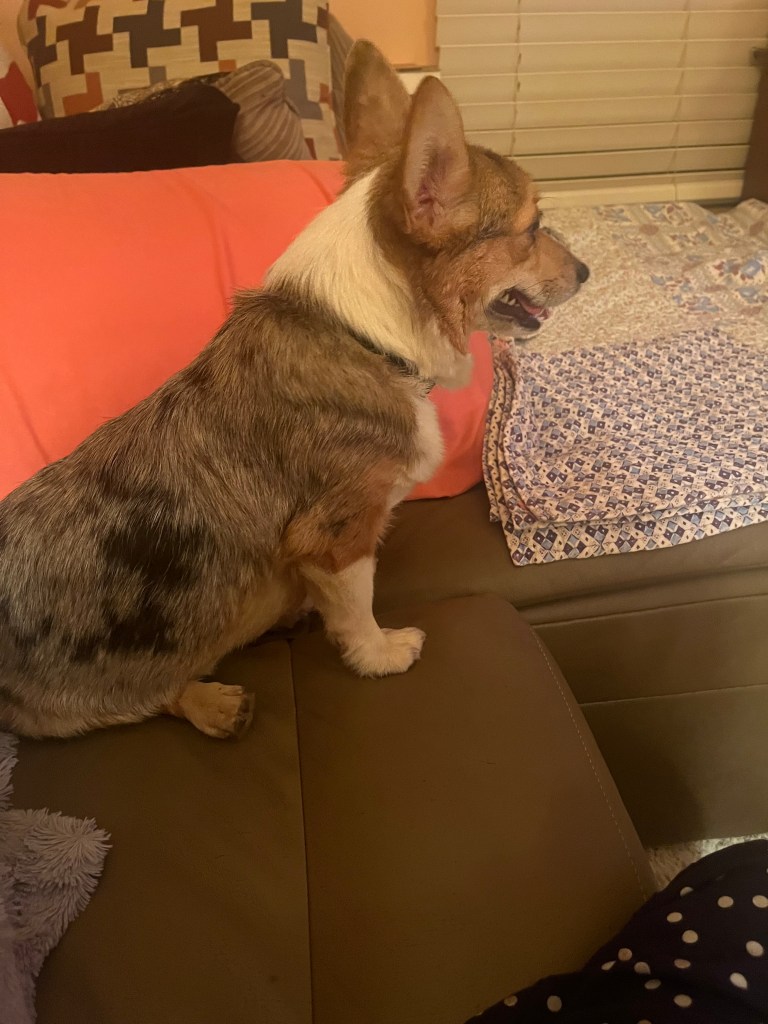
Sophie, the German ShepherdSophie at a nearby state parkHazel, my little rescued Pembroke Welsh CorgiHazel again (enlarge)
These two (very spoiled) four-legged babies have been my salvation over the past few weeks. Sophie is big and protective, but a baby inside. Hazel is just now really coming around after being rescued last year. It’s been hard for her, but she has turned into a sweet, loyal puppy. They lift my spirits when times are tough.
I am redecorating the inside of my house and in the fall, we will paint the entire inside. Redecorating is really an overstatement. I am redoing some things, but not everything. Just decluttering and, in the process, figuring out how to modernize as I go along. So far, it has been a very big job. I worked such long hours for so many years and didn’t really pay much attention to my home. I’m paying for that now by having to put some long hours into my house!
All of this adds up to no writing for the past few weeks. I don’t want to get into that pattern, so I’m back to work on my blog and will be participating more. Not only do I enjoy writing, but it is therapeutic for me. I’m starting to freelance a little, mostly in the field in which I worked for so many years which is finance.
I’ve missed talking to all of you. Thank you for coming to my weekendcoffeeshare!
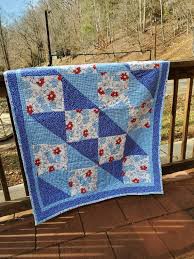
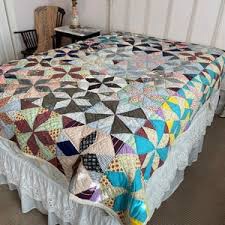
Quilting is an old Appalachian tradition that arose in the Appalachian Mountains out of necessity. The region was, and still is, quite geographically isolated. When there is little business in an area, the people have to become more self-sufficient. Self-sufficiency is one of the characteristics that define the Appalachian region and people.
Quilting has a rich cultural heritage in many countries and among varied ethnicities.
Since the maternal side of my own family came from Appalachia, I’m part of that quilting culture although I don’t quilt myself. The women of that region quilted in order to have warm bed clothing for their families. Since families tended to be large, most required a lot of quilts. There weren’t many “store-bought” bed clothes to be found.
My maternal grandmother, and the women who came before her, all quilted. She had six girl children, all of whom were educated and most worked outside the home teaching school. My oldest aunt is the only one of the children who quilted.
Each quilt is as unique as the quilter who made it. The quilting traditions came from the Scots, Irish and German immigrants, but it also had touches of the influence of the Amish, the Quakers, and the Native Americans.
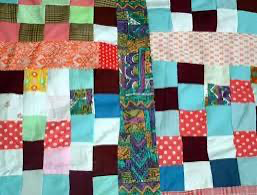
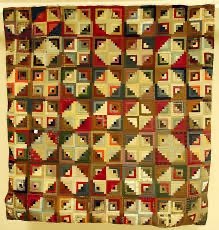
Some of the early quilts, in particular, were made from old feed sacks. Other materials used were pieces cut from old clothing. I have a plethora of handmade quilts I inherited from my grandmother and aunts. The oldest one has a top layer made of pieces of colorful feed sacks and the stuffing is just cotton batting, which bunches up terribly. That quilt was just as warm as any other and I still use it in my bedrooms.
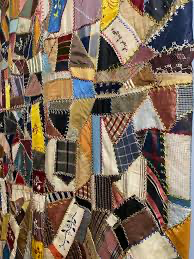
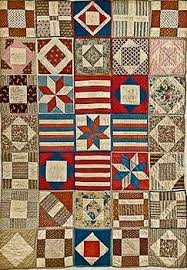
The tops of quilts sometimes told a story, often of family history. There were also popular patterns that were used along with variations on those popular patterns. Many, perhaps most, of the American quilts have geometric designs which came from the Native American culture. African quilts are different and each tells a story, often of a tribe’s heritage. Many European quilts are patchwork quilts. All are usually colorful. All you have to do is an internet search and you will happen upon endless quilting patterns.
Quilting is also a communal activity with quilting bees and quilting circles held in communities. Not only did the quilts tell a story, but it was an opportunity for the women in the community to get together and chat. That is still true in many areas of Appalachia.
In the modern day, quilting has become very popular. There are quilting classes and quilting shows available if you are interested in learning the art of quilting. It is an artistic endeavor, along with practicality, just as much as painting a picture if you had a canvas and a paintbrush. Quilting can also, now, be done on a machine, but somehow the tradition is lost if you machine quilt. Hand stitching is the old, and valued, way.
Welcome to my #weekendcoffeeshare #167! Please join us and pour yourself a cup of coffee or tea. There are lots of varieties on the bar.
If we were having coffee, the first thing I would share with you is that I have revamped my contact page. If any of you would like to contact me, please feel free. Just click on the link!
It’s been a busy week, both on the blog and in other parts of my life! Summer has begun here in Kentucky, U.S.A! The temperatures are heating up and the vegetation here in Daniel Boone National Forest, where I live, is lush. We had so much rain in the spring that the forest responded and the vegetation is especially lush this year. It’s like living in the rain forest!
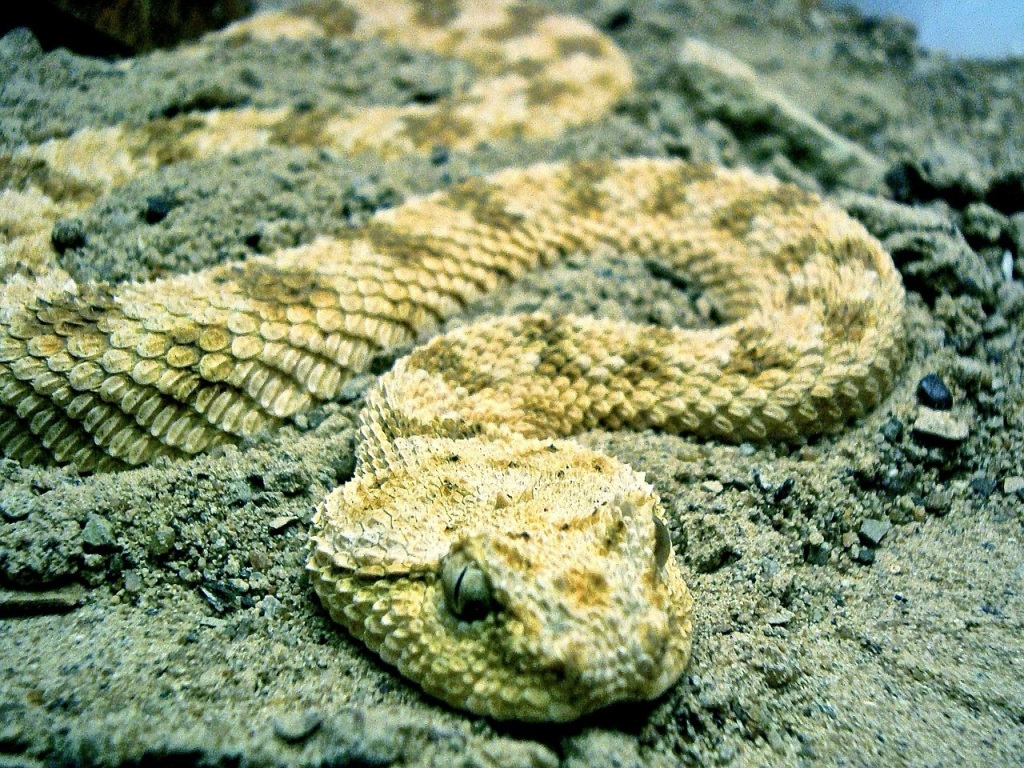
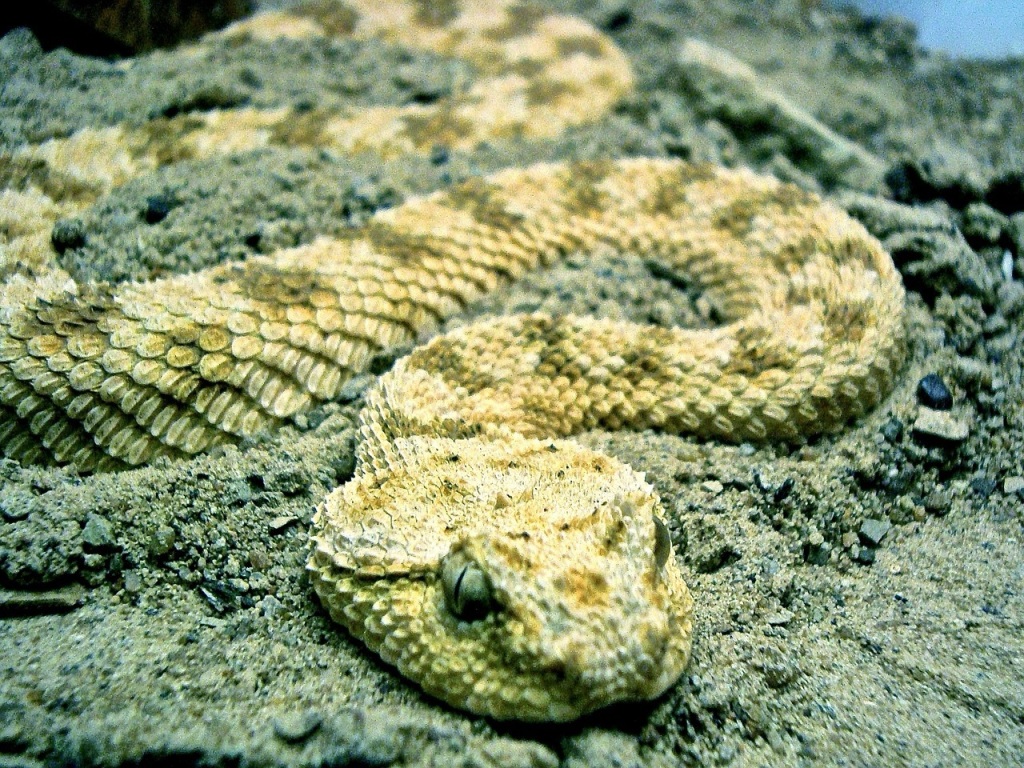
Early in the week, my husband was doing some yard work and came across a timber rattlesnake. He was far enough away from it so it couldn’t strike, but it tried. They are quite poisonous. He took care of that problem. Here is an image of a timber rattler in case you need to know.
Timber Rattlesnake
If you see one of these guys, be calm, back away slowly, and either leave it alone or end its life as this snake is very poisonous. It’s also very common in this part of the U.S.
This week, we also attended a Celebration of Life for a friend who just passed away. She was one of my best friends and it’s been a sad time. We met when we were 6 years old and have stayed close our entire lives. I will miss her always. The Celebration of her Life was so nice with a huge turnout. It was nice because I got to see a lot of friends who I seldom see. Carol would have enjoyed it.
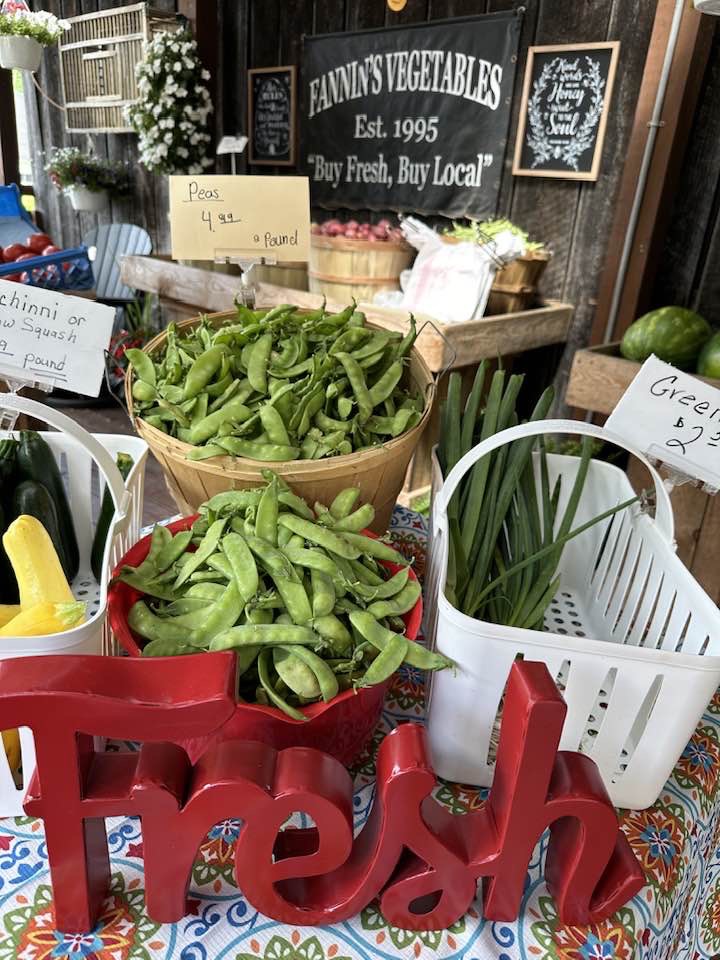
The cupboard was bare here at the beginning of the week so we made a trip to a couple of places we shop for groceries. One place was the local vegetable market, only open in the warm months. They have wonderful fresh vegetables and fruit. Since we try to eat healthy, we frequent this old-fashioned market often.
Fannin’s Vegetable Market, West Liberty, KY, USA
We’ve had good and healthy food to eat this week!
I’ve spent a lot of time with my two dogs this week, engaging in some dog training. Sophie, my German Shepherd dog, is already trained in obedience and protection, so I spent some time teaching her to play fly ball, which she loves. The next task is to teach her to play frisbee! Sophie likes to play fly ball with her squeaky chicken!
Sophie and her squeaky chicken
Hazel, a Pembroke Welsh Corgi, is my other dog. She will be two years old soon, but she got a rocky start in life. We rescued her and she has some health challenges, so she is a little behind the curve. We love her and have to protect her from too much activity. I’ve started taking her on short walks, getting a bit longer each day. She loves her walks!
Hazel
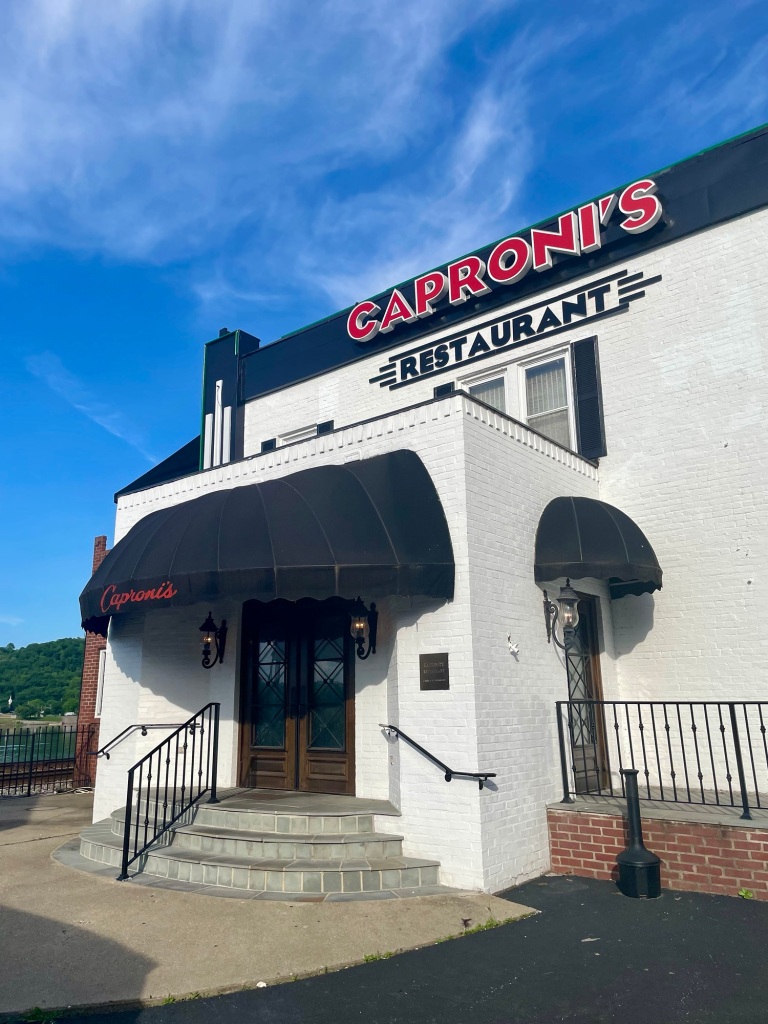
We went out to dinner this week which we don’t often do. There is a wonderful restaurant in a little town about 40 miles away that is right on the Ohio River. We had dinner with our friends there and we really enjoyed seeing them.
If we were having coffee today, I would very much enjoy seeing you and sharing my week!I look forward to reading your #weekendcoffeeshare.
The picture that you see above was where my grandfather went to what passed for higher education (college) around the turn of the 20th century – the late 1800s and early 1900s. It was called the Kentucky Normal College.
Higher education in Appalachia has always been problematic because of both the geographic isolation of the region and the Appalachian cultural values. To this day, there are few good roads in and out of the heavily mountainous region of the U.S. Until fairly recently, there were few institutions of higher learning that existed in the region.
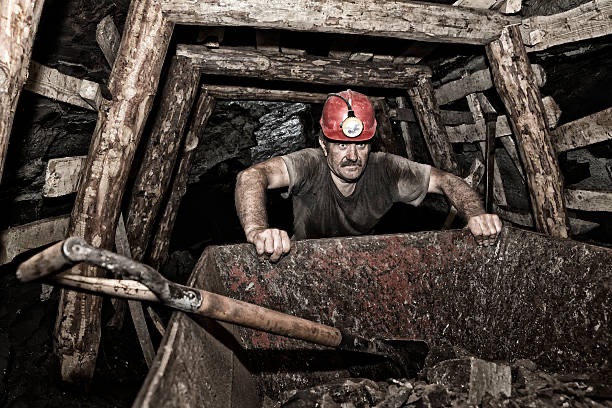
Cultural values also played a role in the lack of higher education in Appalachia. Jobs that were available were mostly blue collar. Coal miners and farmers are two of the main examples. It was not thought that men working at those professions needed to go to college, except in the case of mining engineers, and women were encouraged to make a family and not to go to college.
Appalachian women were certainly not encouraged to seek higher learning in the past since their role was to run the family home and raise the children. Some of these stereotypes still exist today.
The maternal side of my family, who lived deep in Eastern Kentucky, did not subscribe to these beliefs. My maternal grandfather saw it as a great point of pride that all of his eight children left the area to receive college degrees and some higher levels of graduate education.
He was a farmer and an employee of an oil company. He had a large farm, but simultaneously he worked for an oil company in Kentucky helping to map the mineral deposits and who owned them in his part of the state. Kentucky, particularly the Appalachian portion of Kentucky, has vast deposits of minerals including coal, oil, and natural gas. He believed in higher education and wanted his eight children, including the six girl children to do well in life.
After my grandfather graduated from what was high school in the late 1800’s and early 1900’s, he was fortunate enough to go on to the only real college accessible to him. That college was Kentucky Normal College in Louisa, KY. Another student at that college, at the same time, was Fred Vinson, who later became Chief Justice of the U.S. Supreme Court. They were close friends.
As time passed, some of the children of Appalachia were able to attend colleges and universities just outside their home areas. In Kentucky, several colleges were on the fringes of Appalachia and had a large percentage of Appalachian students enrolled. Two of the early ones were Morehead State University in Morehead, KY and Eastern Kentucky University in Richmond, KY.
Many of the colleges were originally “normal” schools. Normal schools are colleges that primarily train teachers. The students received a bachelor’s degree in teacher education. Later, in the 20th century, these normal schools expanded to full-fledged colleges and universities. They still have a sizable percentage of Appalachian students enrolled.
Not everyone in Appalachia was as progressive as my grandfather. That’s still the case in some areas. The girls in many families were not encouraged to go to any college. Even the boys were encouraged to stay and work on the family farm or in the coal mines. Many were drafted to serve in World Wars I and II. Others enlisted.
There are now a few scattered colleges and universities in the Appalachian regions. A Kentucky example is the University of Pikeville in Pikeville, KY which is deep in the coal-producing area of the Appalachian area in the state.
Higher education still continues to be a problem in Appalachia. Many potential students stay home and work close to home, some all their lives. Some have migrated outside the area to find work, primarily to Ohio and Michigan. In the 1950s and 1960s, there was a mass migration out of Eastern Kentucky to the north, often to work in the automobile factories.
It is often even difficult to sell the benefits of high school education to the people of Appalachia. They see more value in their children staying close to home. One of the primary cultural characteristics of Appalachia is the clannish nature of the people.
Distance learning and online education have helped the problem of lack of access to higher education in Appalachia although that is a reasonably new solution. Money for the infrastructure for widely-based broadband in the Appalachia area of Kentucky has recently been allocated under the infrastructure bill.
The Appalachian Honor Culture is a phenomenon that exists in the Appalachian Mountains, U.S., but also exists in other forms in different geographical areas in the U.S.
Sometimes I think I have lived in the foothills of the Appalachian Mountains, U.S. for so long that I take for granted the cultural differences that exist here and other places outside these hills.
The Appalachian Honor Culture is one of those cultural behaviors that have existed in these mountains ever since the Native American people here were encroached on by the white European settlers. This culture involves how people of the Appalachians settle their differences.
If a person, particularly a man, in Appalachia is insulted, embarrassed, called out, or shamed in any way, the Appalachian Honor Culture demands that they react either with threats of violence or immediate violence. As an example, let’s say that one man insults another man’s wife or one man comments on any aspect of another man’s life in a negative fashion, Appalachian men react with their fists first and think about legal charges of assault later.
This scenario is played out in Appalachia, especially southern Appalachia, over and over in cases of small, unintended embarrassments to bigger insults and arguments. There is usually no talking about a problem and settling it peacefully. Either violence erupts or something more insidious like the holding of grudges. Appalachians can hold a grudge, and often do, for a lifetime, even against members of their own family. It isn’t only men who uphold the Appalachian Honor Culture. Women do as well.
Let’s take my maternal grandmother as an example. She was, in many ways, a woman ahead of her time, but she was also an Appalachian through and through. There were members of our family and extended family that she held a grudge against for a lifetime. There was seldom such a thing as forgiveness even long after the issue that caused the grudge was long forgotten.
She loved my grandfather with a passion even though they seldom agreed on anything. If another woman, however, tried to make inroads with him, she would have picked up her shotgun and run her off their property without hesitation. Then, she would hold a grudge against the woman forever. This was and still is normal behavior in the Appalachian Mountains.
In Appalachia, you have a rather odd mix of people who are the nicest people you’ve ever known, the coldest and most stubborn people you’ve ever known, coupled with violence and feuds that could rival any gang activity in big cities.
The earliest settlers of the area came, in large part, from the Anglo-Scottish borderlands, and parts of Ireland and Great Britain with a smattering of Germans thrown in. You may find similar cultural anomalies in these areas that the immigrants brought with them to the U.S.
Welcome, everyone to my #weekendcoffeeshare 165! There are several types of coffee for your drinking pleasure along with tea. Green and black. Let’s catch up after you get the beverage of your choice.
If we were having coffee today, I would tell you about the creepiest thing that happened to me this week! This morning, my husband was doing some weed eating around the house. We have two evergreen trees close together in the yard and he went there to weed eat. What he saw rattled him….no pun intended. It was a timber rattlesnake, a juvenile, which probably means there is a nest nearby. Now I’m afraid to go out in my yard! I’m posting a picture so anyone who lives in or near the woods will know what they look like. Be careful!
Timber rattlesnake
On Monday of this week, we had a little get-together at my house for Memorial Day. The U.S. celebrates our veterans on that day and the tradition, at least in the south, is to decorate their graves. We did that earlier in the weekend. Then, on Monday, we had a cookout for just a few friends. We had a really nice time! If you aren’t familiar with the U.S. tradition of Memorial Day, here is an article I wrote about it.
I’ve talked to some cherished family and a few good friends this week which is always nice. Besides that, it’s been a normal week for us, made better by beautiful spring weather. The gardens aren’t doing well due to the wild swings in temperature here and too much rain. See you next week!
My #weeklysmile this week has to do with one of the furry ones in my family. This is Hazel and I’ve introduced her briefly before. She is a Pembroke Welsh Corgi, one of the dog breeds I have always loved.
Hazel is my #weeklysmile this week. You see, Hazel is a newcomer to our family. She’s only been with us for two months and was a rescue. Initially, Hazel was really disoriented here because it was so different from where she’d been. She never ate well and we, at first, thought it was just anxiety and an adjustment problem. We found out that was not the case.
Poor little sweet Hazel was sick when we got her. After lots of veterinary care and research, we figured out her problem which is rather unusual. We had to put together a treatment plan for her. It is rather experimental and we have no idea how she will do.
She has been on her treatment plan for about a week and a half. My #weeklysmile is that she is responding to her treatment so well! She is doing just great and it has given us hope that we have a future with her! I am so happy and smiling all over myself.
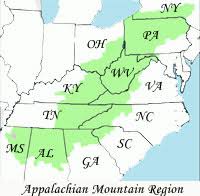
I live on the fringes of Appalachia and my roots are deep in this region of the United States. I live in a university town in northeastern Kentucky. Appalachia has rough geographic boundaries, but it is largely a cultural region, as opposed to a geographic region, of the U.S. In many places, Appalachia is difficult to access because of geographic impediments. The region is located in the Appalachian Mountains. Roads are few and the roads that are there are curvy through the mountains. In some places, the roads are not well built and are prone to washouts and mudslides. The fact that they run through mountains doesn’t help.
If you look at the map above, you can see that the Appalachian region includes all of West Virginia, almost half of Kentucky and Tennessee, most of Pennsylvania, one-third of Ohio, and the southern slice of New York. In the south, it touches Virginia, North Carolina, and South Carolina, and includes portions of Georgia, Alabama, and Mississippi. Appalachia stretches from New York to Mississippi and encompasses 206,000 square miles where roughly 26 million people live.
It is a large region of the United States and even though parts are sparsely populated, the whole has a sizable number of people residing there.






















 The Write Scribe