
Posted in #weekendcoffeeshare, nonfiction

weekendcoffeeshare #175

August 23, 2024

Hello everyone and welcome to my weekendcoffeeshare for the week beginning August 23, 2024! Please come right in and join me for a catchup and a cup of coffee or tea. Please help yourself to whatever you like.

If we were having coffee together today, I would tell you that I haven’t participated in the coffee share or in any of the challenges for about three weeks now. Why? Put simply, life got in the way! There have been lots of things, some good and some not so good, going on that has taken my focus (and time) away from writing. I’m getting back in the groove now.

My flower gardens are just about gone for this year. We have four distinct seasons here in my location in the U.S., Kentucky, Upper South. Summer is coming to an end. We’ve even had nights down in the 40s though the days are still mostly hot, even some in the 90s. We have had an awfully hot summer and some of the plants I have traditionally grown have not done so well this year. Others have fared very well. I think climate change will eventually change our growing zones and that is perhaps happening in my location even now.

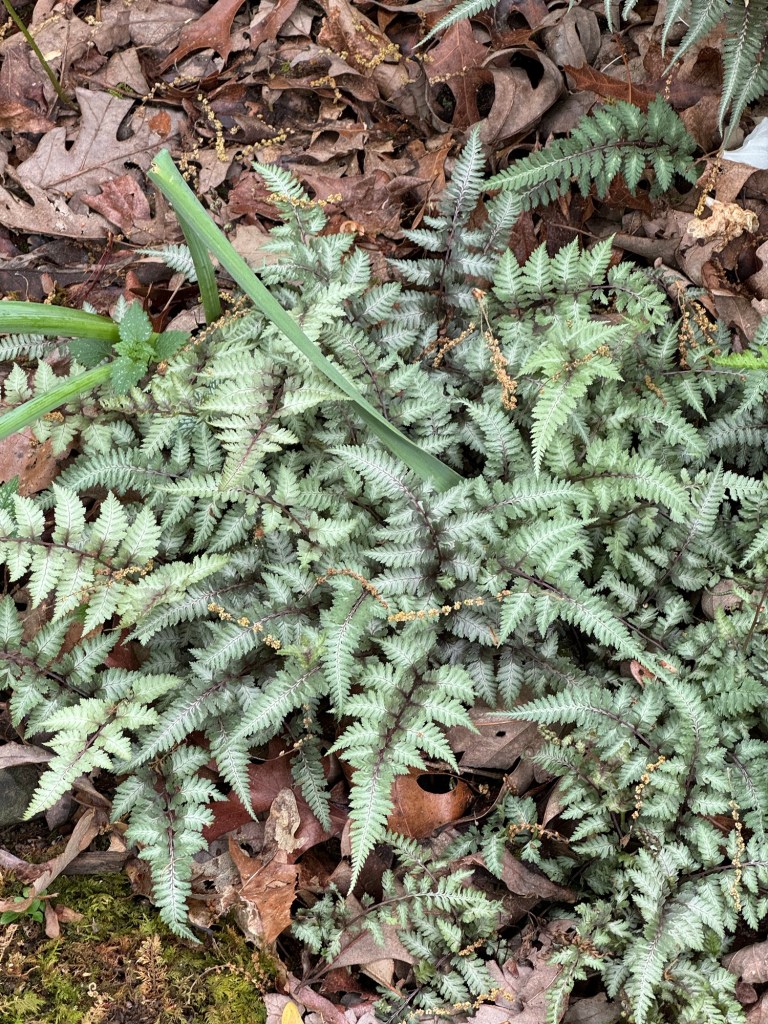
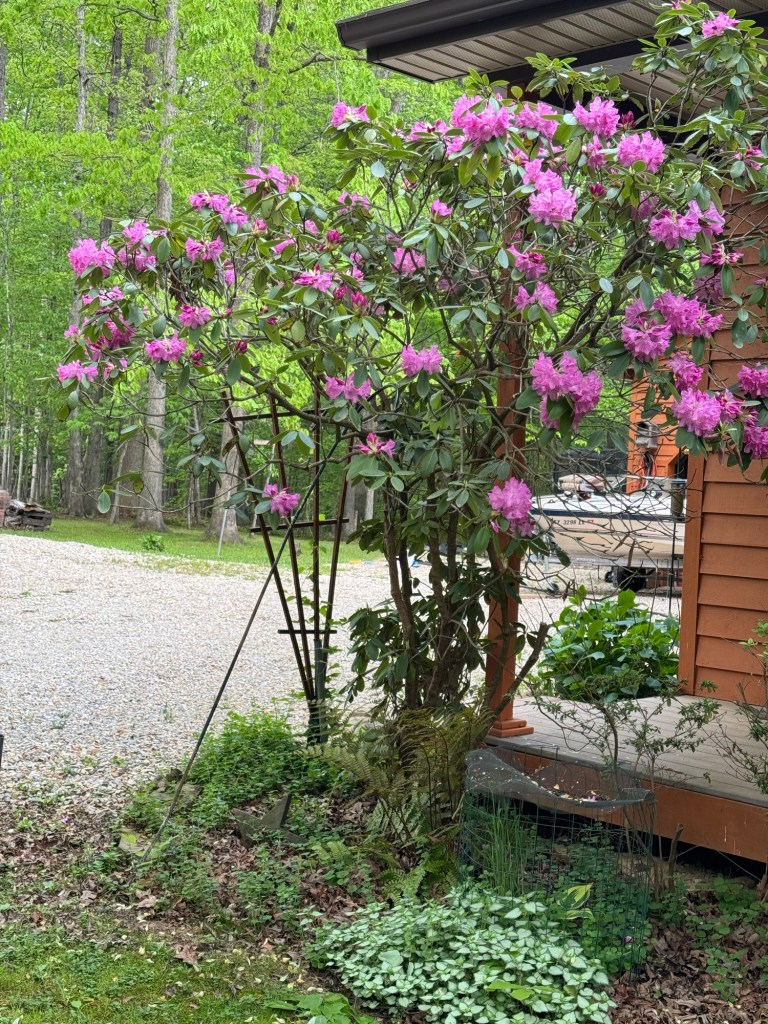
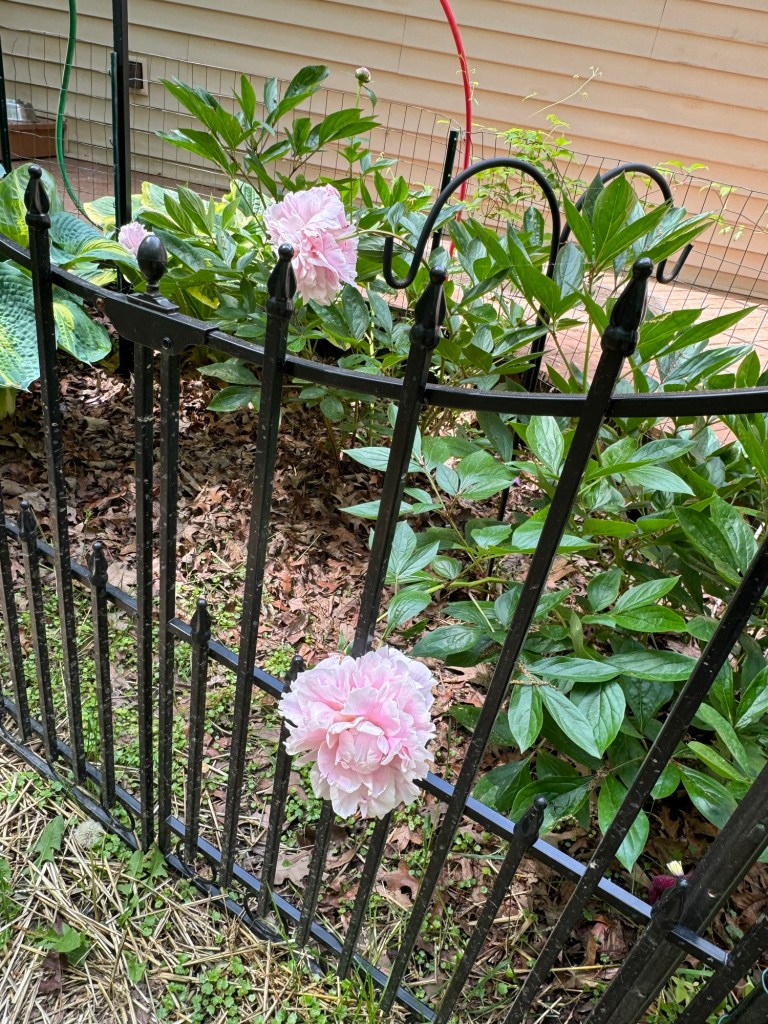
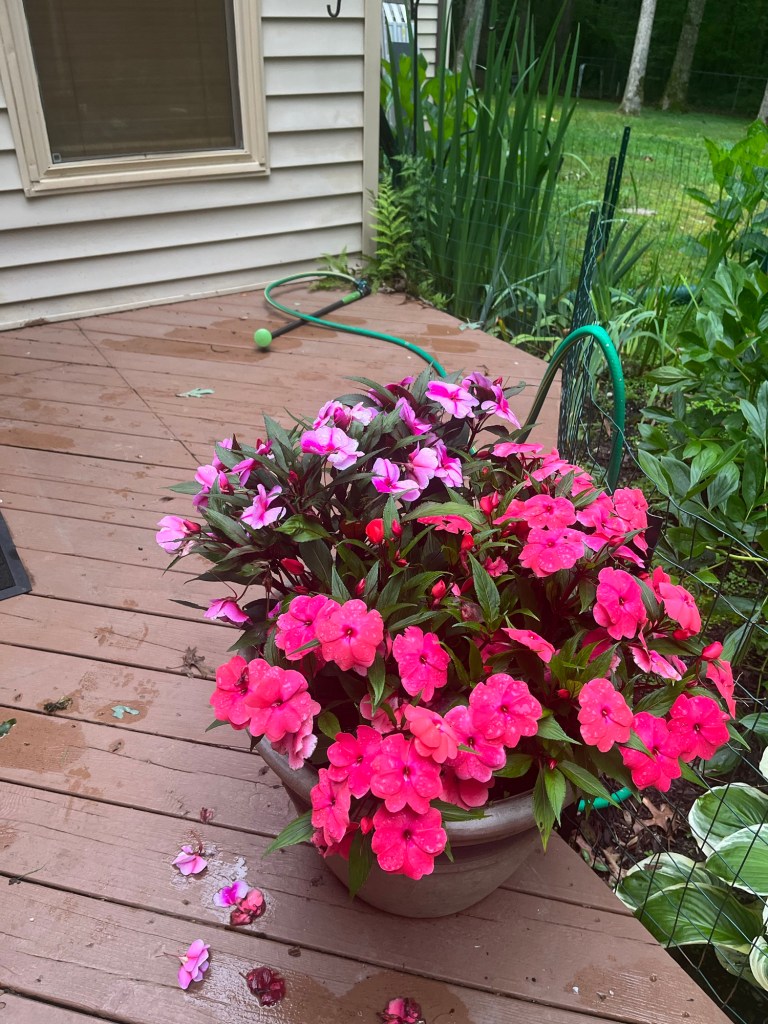
Here are some of the plants that I’ve managed to grow this summer.
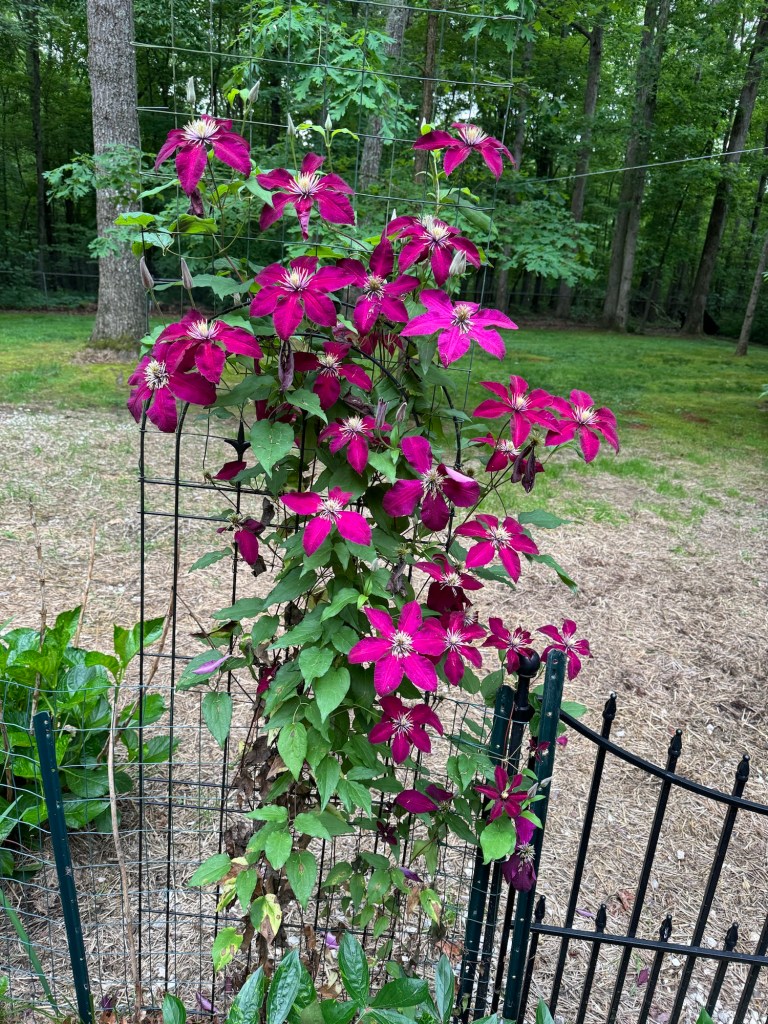
Clematis

They have been nice and brightened up my yard, but the weather has been hard on them. These are not plants that do particularly well when the temperatures are in the 90s every day. Very unusual for my area.

My husband and I have both had some health issues pop up recently. He will have to have some eye surgery in the fall. As for me, it is going to take a specific and very restrictive diet. There is nothing, and I mean nothing, to eat on this diet. I’m already thin and I really don’t want to get any thinner, but I suspect that will happen! Getting older is not for sissies!

I’ve been fortunate to be able to talk to and see some friends and family recently. That always helps everything seem better. I had a small nuclear family, but I have a big extended family on both my mom’s and dad’s sides of the family. I also have good lifetime – and new – friends. We have had a lot of support over the past few weeks.
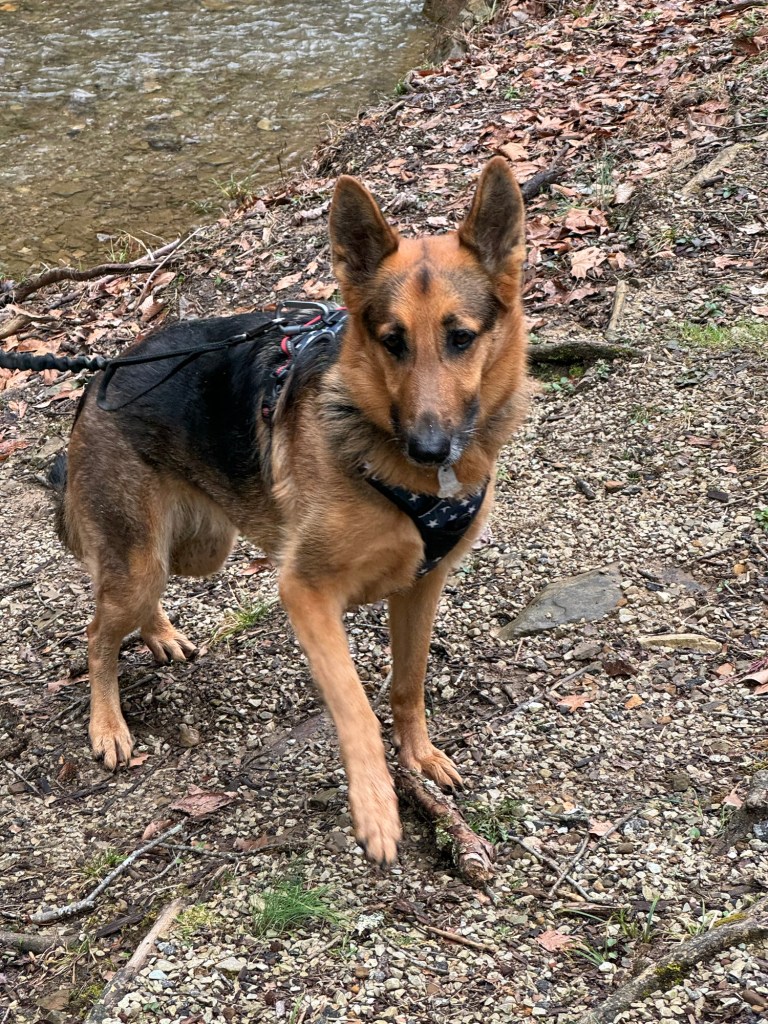
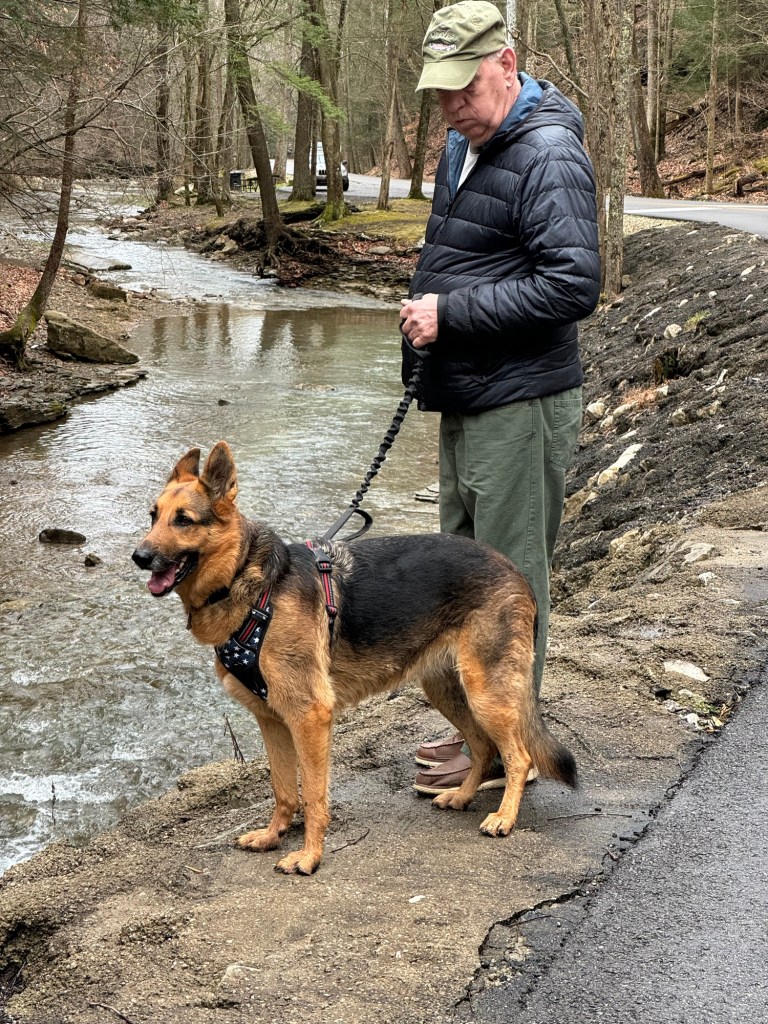
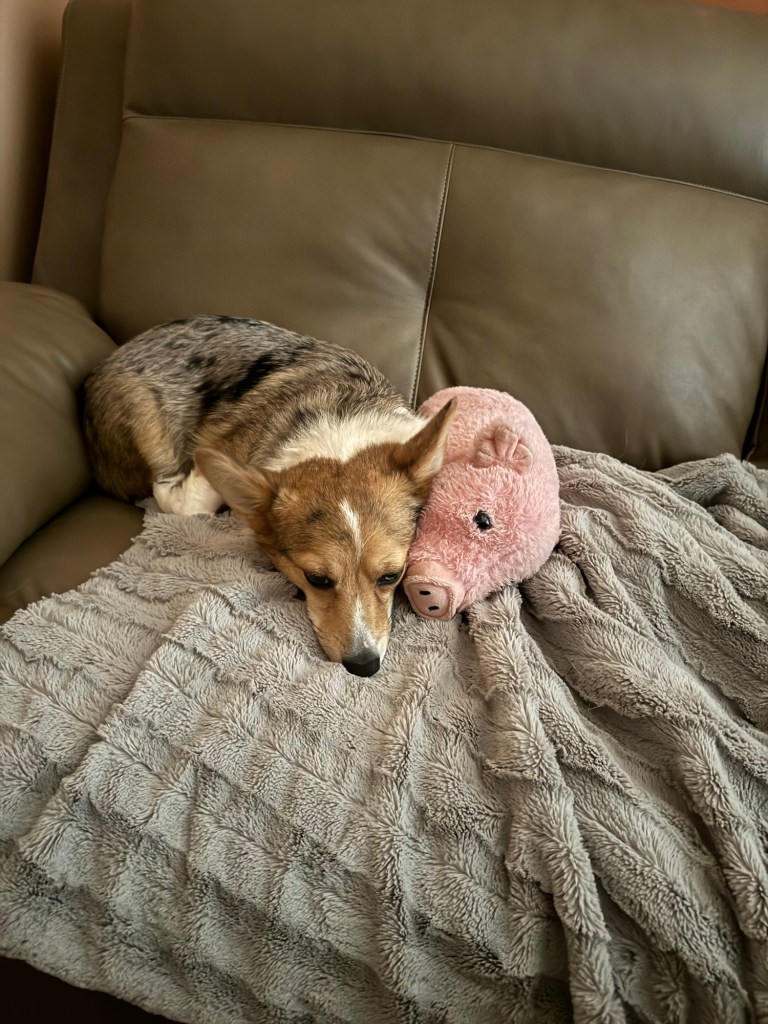
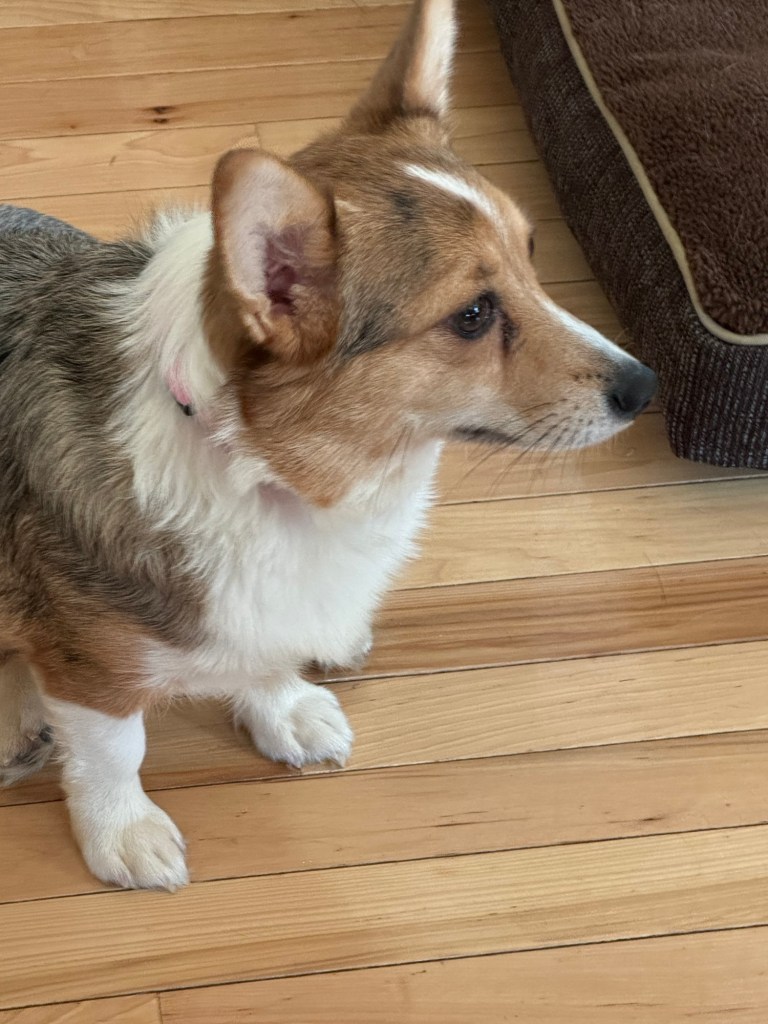
These two (very spoiled) four-legged babies have been my salvation over the past few weeks. Sophie is big and protective, but a baby inside. Hazel is just now really coming around after being rescued last year. It’s been hard for her, but she has turned into a sweet, loyal puppy. They lift my spirits when times are tough.

I am redecorating the inside of my house and in the fall, we will paint the entire inside. Redecorating is really an overstatement. I am redoing some things, but not everything. Just decluttering and, in the process, figuring out how to modernize as I go along. So far, it has been a very big job. I worked such long hours for so many years and didn’t really pay much attention to my home. I’m paying for that now by having to put some long hours into my house!

All of this adds up to no writing for the past few weeks. I don’t want to get into that pattern, so I’m back to work on my blog and will be participating more. Not only do I enjoy writing, but it is therapeutic for me. I’m starting to freelance a little, mostly in the field in which I worked for so many years which is finance.

I’ve missed talking to all of you. Thank you for coming to my weekendcoffeeshare!

Thank you Natalie, the Explorer for hosting #weekendcoffeeshare!

Posted in Appalachia, Non-fiction

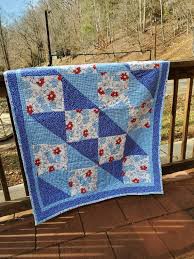
Appalachian Culture: Quilting

Quilting is an old Appalachian tradition that arose in the Appalachian Mountains out of necessity. The region was, and still is, quite geographically isolated. When there is little business in an area, the people have to become more self-sufficient. Self-sufficiency is one of the characteristics that define the Appalachian region and people.

Quilting has a rich cultural heritage in many countries and among varied ethnicities.

Since the maternal side of my own family came from Appalachia, I’m part of that quilting culture although I don’t quilt myself. The women of that region quilted in order to have warm bed clothing for their families. Since families tended to be large, most required a lot of quilts. There weren’t many “store-bought” bed clothes to be found.

My maternal grandmother, and the women who came before her, all quilted. She had six girl children, all of whom were educated and most worked outside the home teaching school. My oldest aunt is the only one of the children who quilted.

Each quilt is as unique as the quilter who made it. The quilting traditions came from the Scots, Irish and German immigrants, but it also had touches of the influence of the Amish, the Quakers, and the Native Americans.

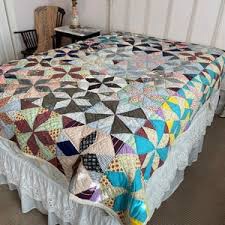
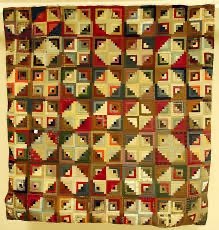
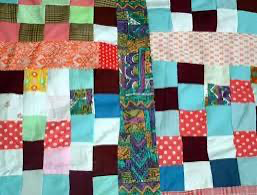
Some of the early quilts, in particular, were made from old feed sacks. Other materials used were pieces cut from old clothing. I have a plethora of handmade quilts I inherited from my grandmother and aunts. The oldest one has a top layer made of pieces of colorful feed sacks and the stuffing is just cotton batting, which bunches up terribly. That quilt was just as warm as any other and I still use it in my bedrooms.

The tops of quilts sometimes told a story, often of family history. There were also popular patterns that were used along with variations on those popular patterns. Many, perhaps most, of the American quilts have geometric designs which came from the Native American culture. African quilts are different and each tells a story, often of a tribe’s heritage. Many European quilts are patchwork quilts. All are usually colorful. All you have to do is an internet search and you will happen upon endless quilting patterns.

Quilting is also a communal activity with quilting bees and quilting circles held in communities. Not only did the quilts tell a story, but it was an opportunity for the women in the community to get together and chat. That is still true in many areas of Appalachia.

In the modern day, quilting has become very popular. There are quilting classes and quilting shows available if you are interested in learning the art of quilting. It is an artistic endeavor, along with practicality, just as much as painting a picture if you had a canvas and a paintbrush. Quilting can also, now, be done on a machine, but somehow the tradition is lost if you machine quilt. Hand stitching is the old, and valued, way.

Posted in #weekendcoffeeshare, nonfiction

#weekendcoffeeshare #167

Welcome to my #weekendcoffeeshare #167! Please join us and pour yourself a cup of coffee or tea. There are lots of varieties on the bar.

If we were having coffee, the first thing I would share with you is that I have revamped my contact page. If any of you would like to contact me, please feel free. Just click on the link!

It’s been a busy week, both on the blog and in other parts of my life! Summer has begun here in Kentucky, U.S.A! The temperatures are heating up and the vegetation here in Daniel Boone National Forest, where I live, is lush. We had so much rain in the spring that the forest responded and the vegetation is especially lush this year. It’s like living in the rain forest!

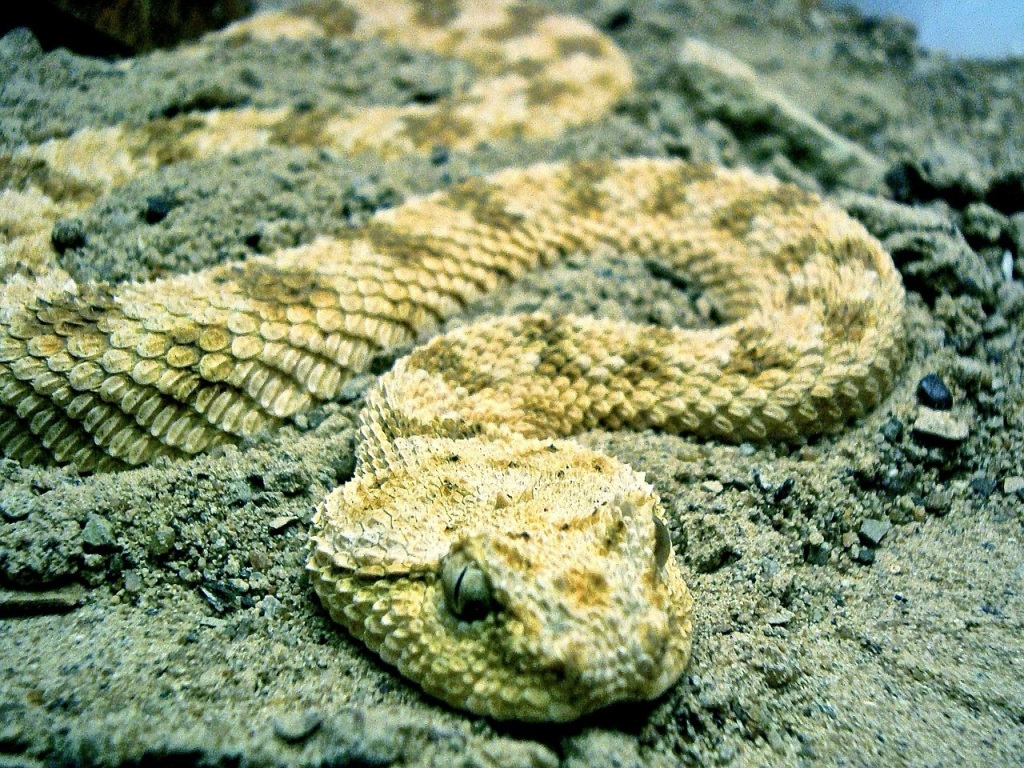
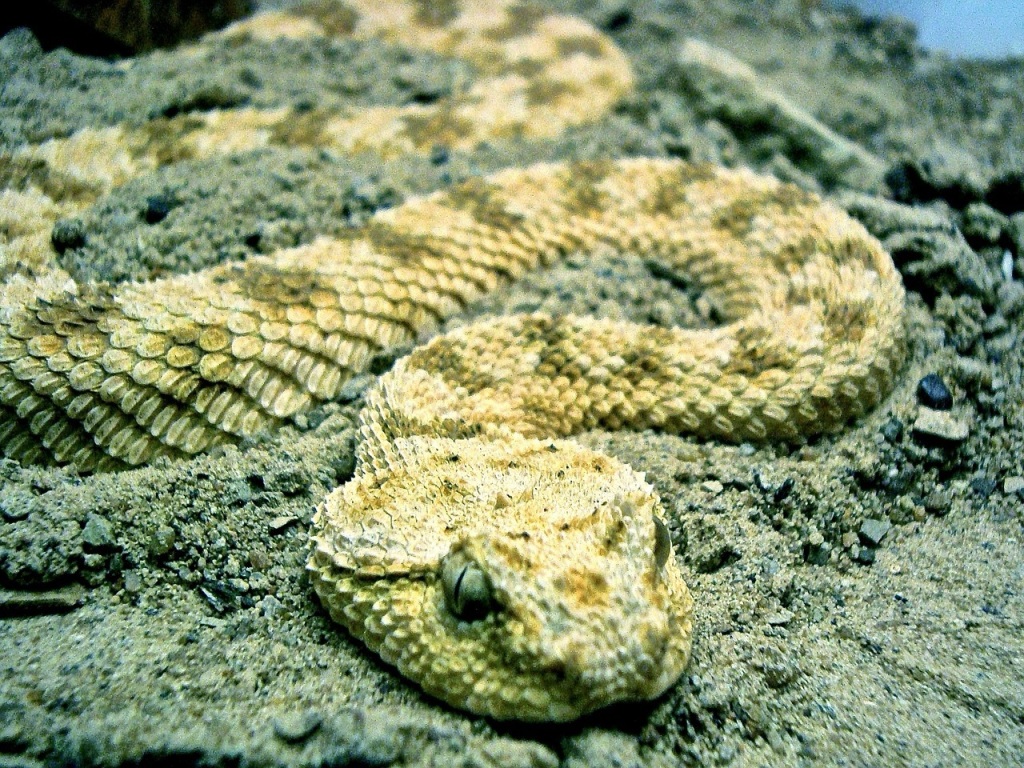
Early in the week, my husband was doing some yard work and came across a timber rattlesnake. He was far enough away from it so it couldn’t strike, but it tried. They are quite poisonous. He took care of that problem. Here is an image of a timber rattler in case you need to know.

Timber Rattlesnake

If you see one of these guys, be calm, back away slowly, and either leave it alone or end its life as this snake is very poisonous. It’s also very common in this part of the U.S.

This week, we also attended a Celebration of Life for a friend who just passed away. She was one of my best friends and it’s been a sad time. We met when we were 6 years old and have stayed close our entire lives. I will miss her always. The Celebration of her Life was so nice with a huge turnout. It was nice because I got to see a lot of friends who I seldom see. Carol would have enjoyed it.

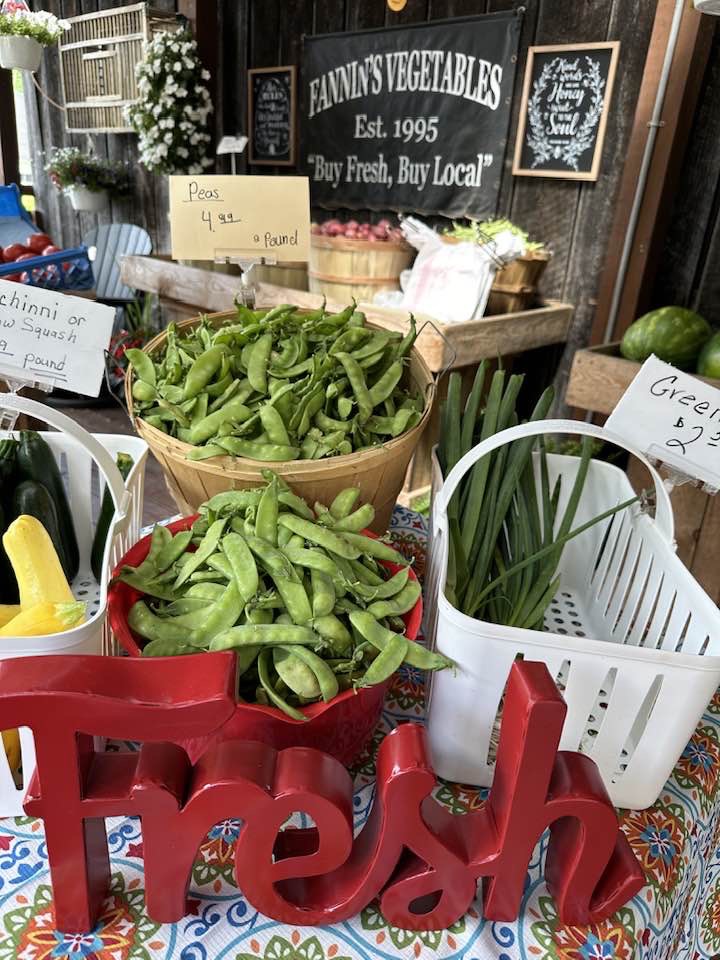
The cupboard was bare here at the beginning of the week so we made a trip to a couple of places we shop for groceries. One place was the local vegetable market, only open in the warm months. They have wonderful fresh vegetables and fruit. Since we try to eat healthy, we frequent this old-fashioned market often.

Fannin’s Vegetable Market, West Liberty, KY, USA

We’ve had good and healthy food to eat this week!

I’ve spent a lot of time with my two dogs this week, engaging in some dog training. Sophie, my German Shepherd dog, is already trained in obedience and protection, so I spent some time teaching her to play fly ball, which she loves. The next task is to teach her to play frisbee! Sophie likes to play fly ball with her squeaky chicken!

Sophie and her squeaky chicken

Hazel, a Pembroke Welsh Corgi, is my other dog. She will be two years old soon, but she got a rocky start in life. We rescued her and she has some health challenges, so she is a little behind the curve. We love her and have to protect her from too much activity. I’ve started taking her on short walks, getting a bit longer each day. She loves her walks!

Hazel

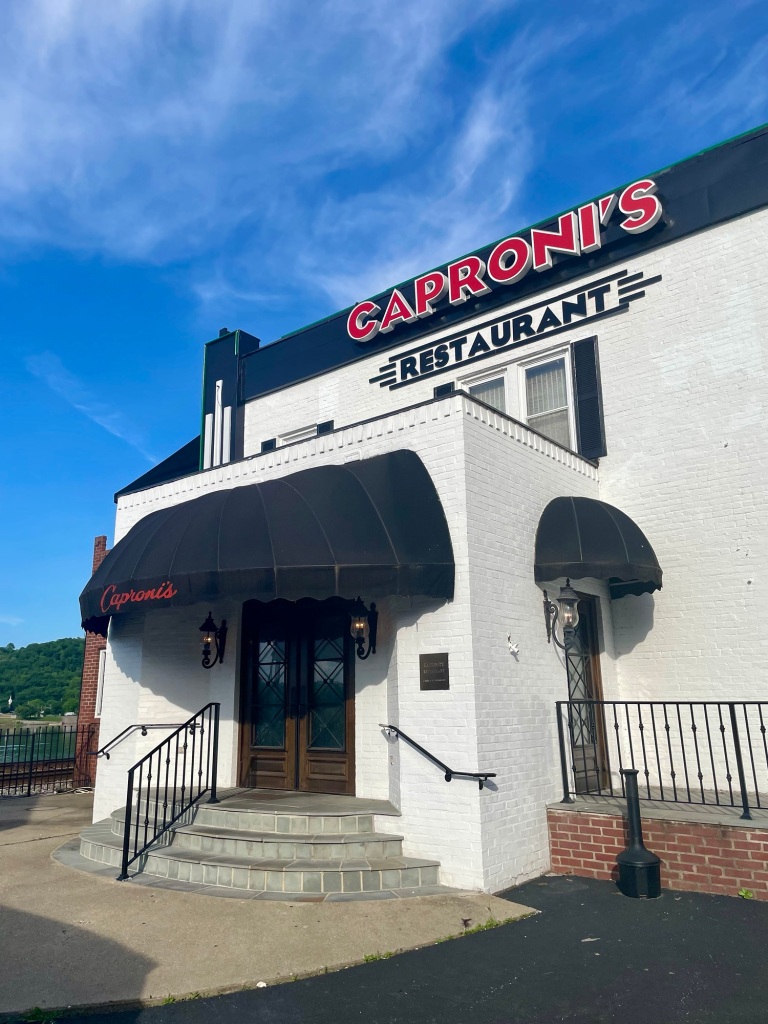
We went out to dinner this week which we don’t often do. There is a wonderful restaurant in a little town about 40 miles away that is right on the Ohio River. We had dinner with our friends there and we really enjoyed seeing them.


If we were having coffee today, I would very much enjoy seeing you and sharing my week!I look forward to reading your #weekendcoffeeshare.

Thank you to Natalie the Explorer for hosting #weekendcoffeeshare!
Posted in Appalachia, nonfiction

An Overview of Higher Education in Appalachia

The picture that you see above was where my grandfather went to what passed for higher education (college) around the turn of the 20th century – the late 1800s and early 1900s. It was called the Kentucky Normal College.

Higher education in Appalachia has always been problematic because of both the geographic isolation of the region and the Appalachian cultural values. To this day, there are few good roads in and out of the heavily mountainous region of the U.S. Until fairly recently, there were few institutions of higher learning that existed in the region.

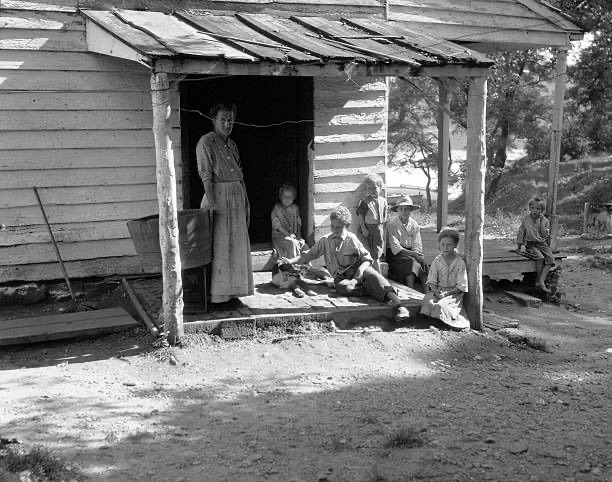
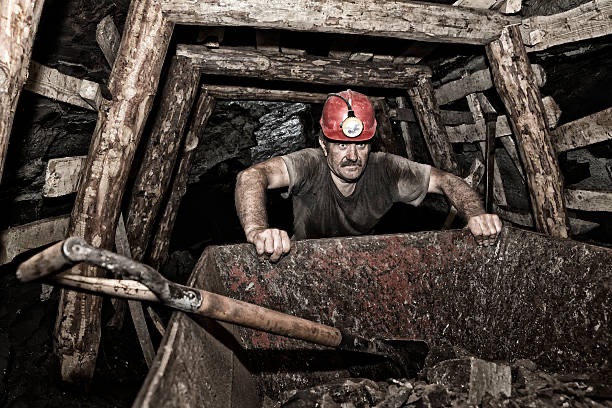
Cultural values also played a role in the lack of higher education in Appalachia. Jobs that were available were mostly blue collar. Coal miners and farmers are two of the main examples. It was not thought that men working at those professions needed to go to college, except in the case of mining engineers, and women were encouraged to make a family and not to go to college.

Appalachian women were certainly not encouraged to seek higher learning in the past since their role was to run the family home and raise the children. Some of these stereotypes still exist today.

The maternal side of my family, who lived deep in Eastern Kentucky, did not subscribe to these beliefs. My maternal grandfather saw it as a great point of pride that all of his eight children left the area to receive college degrees and some higher levels of graduate education.

He was a farmer and an employee of an oil company. He had a large farm, but simultaneously he worked for an oil company in Kentucky helping to map the mineral deposits and who owned them in his part of the state. Kentucky, particularly the Appalachian portion of Kentucky, has vast deposits of minerals including coal, oil, and natural gas. He believed in higher education and wanted his eight children, including the six girl children to do well in life.

After my grandfather graduated from what was high school in the late 1800’s and early 1900’s, he was fortunate enough to go on to the only real college accessible to him. That college was Kentucky Normal College in Louisa, KY. Another student at that college, at the same time, was Fred Vinson, who later became Chief Justice of the U.S. Supreme Court. They were close friends.

As time passed, some of the children of Appalachia were able to attend colleges and universities just outside their home areas. In Kentucky, several colleges were on the fringes of Appalachia and had a large percentage of Appalachian students enrolled. Two of the early ones were Morehead State University in Morehead, KY and Eastern Kentucky University in Richmond, KY.

Many of the colleges were originally “normal” schools. Normal schools are colleges that primarily train teachers. The students received a bachelor’s degree in teacher education. Later, in the 20th century, these normal schools expanded to full-fledged colleges and universities. They still have a sizable percentage of Appalachian students enrolled.

Not everyone in Appalachia was as progressive as my grandfather. That’s still the case in some areas. The girls in many families were not encouraged to go to any college. Even the boys were encouraged to stay and work on the family farm or in the coal mines. Many were drafted to serve in World Wars I and II. Others enlisted.

There are now a few scattered colleges and universities in the Appalachian regions. A Kentucky example is the University of Pikeville in Pikeville, KY which is deep in the coal-producing area of the Appalachian area in the state.

Higher education still continues to be a problem in Appalachia. Many potential students stay home and work close to home, some all their lives. Some have migrated outside the area to find work, primarily to Ohio and Michigan. In the 1950s and 1960s, there was a mass migration out of Eastern Kentucky to the north, often to work in the automobile factories.

It is often even difficult to sell the benefits of high school education to the people of Appalachia. They see more value in their children staying close to home. One of the primary cultural characteristics of Appalachia is the clannish nature of the people.

Distance learning and online education have helped the problem of lack of access to higher education in Appalachia although that is a reasonably new solution. Money for the infrastructure for widely-based broadband in the Appalachia area of Kentucky has recently been allocated under the infrastructure bill.

Posted in #weekendcoffeeshare, creative writing, nonfiction, Uncategorized, weekendcoffeeshare

#weekendcoffeeshare 165

Welcome, everyone to my #weekendcoffeeshare 165! There are several types of coffee for your drinking pleasure along with tea. Green and black. Let’s catch up after you get the beverage of your choice.

If we were having coffee today, I would tell you about the creepiest thing that happened to me this week! This morning, my husband was doing some weed eating around the house. We have two evergreen trees close together in the yard and he went there to weed eat. What he saw rattled him….no pun intended. It was a timber rattlesnake, a juvenile, which probably means there is a nest nearby. Now I’m afraid to go out in my yard! I’m posting a picture so anyone who lives in or near the woods will know what they look like. Be careful!

Timber rattlesnake

On Monday of this week, we had a little get-together at my house for Memorial Day. The U.S. celebrates our veterans on that day and the tradition, at least in the south, is to decorate their graves. We did that earlier in the weekend. Then, on Monday, we had a cookout for just a few friends. We had a really nice time! If you aren’t familiar with the U.S. tradition of Memorial Day, here is an article I wrote about it.

I’ve talked to some cherished family and a few good friends this week which is always nice. Besides that, it’s been a normal week for us, made better by beautiful spring weather. The gardens aren’t doing well due to the wild swings in temperature here and too much rain. See you next week!

Rosemary

Thanks to Natalie the Explorer for hosting weekendcoffeeshare!

Posted in #weekendcoffeeshare, Uncategorized

#weekendcoffeeshare – #156 – March 15, 2024

Good morning and welcome to my #weekendcoffeeshare #156! So glad to see so many of you. I have several kinds of brews waiting on you, so just help yourself. I am a tea drinker and don’t drink coffee, so there are a couple of nice teas as well. Grab a mug and have a seat and let’s catch up.

As many of you know, I am mostly retired. I find myself, just about every day, wondering how I ever found time to actually work. Even retired, it seems that almost every hour of the day is filled up with something. Most of it good. Some not as good and I’d rather not deal with that! Do any of you who are retired feel the same? That there isn’t enough time? There is so much left that I still want to do.

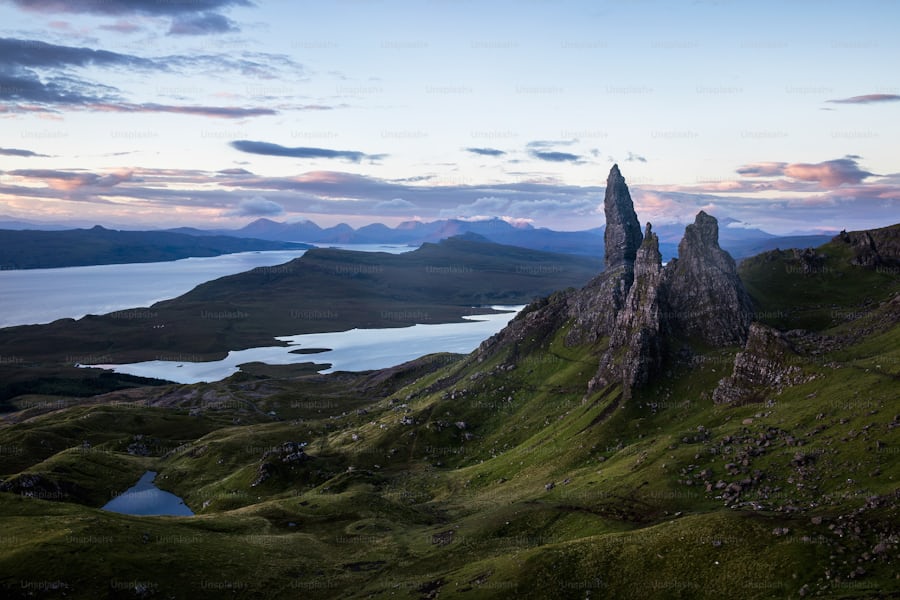
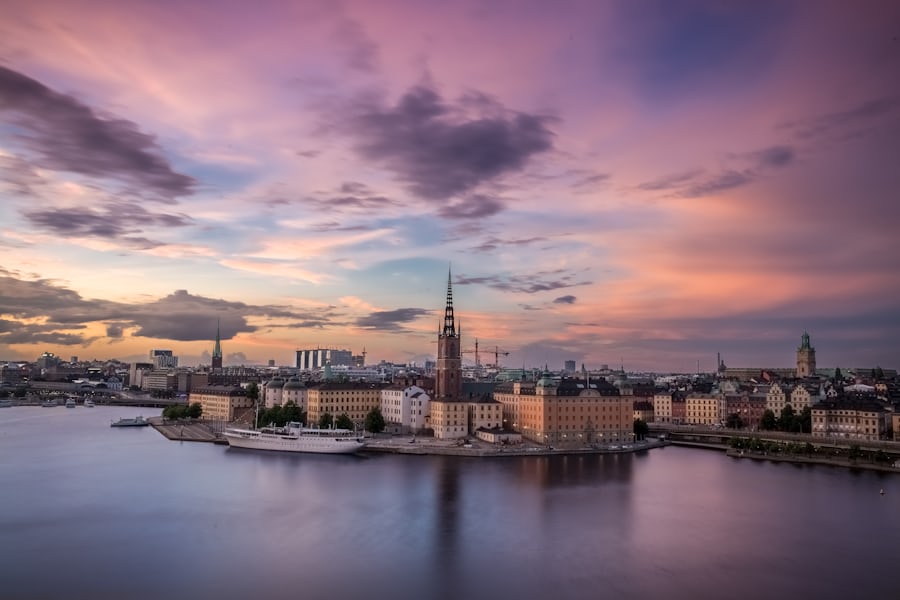
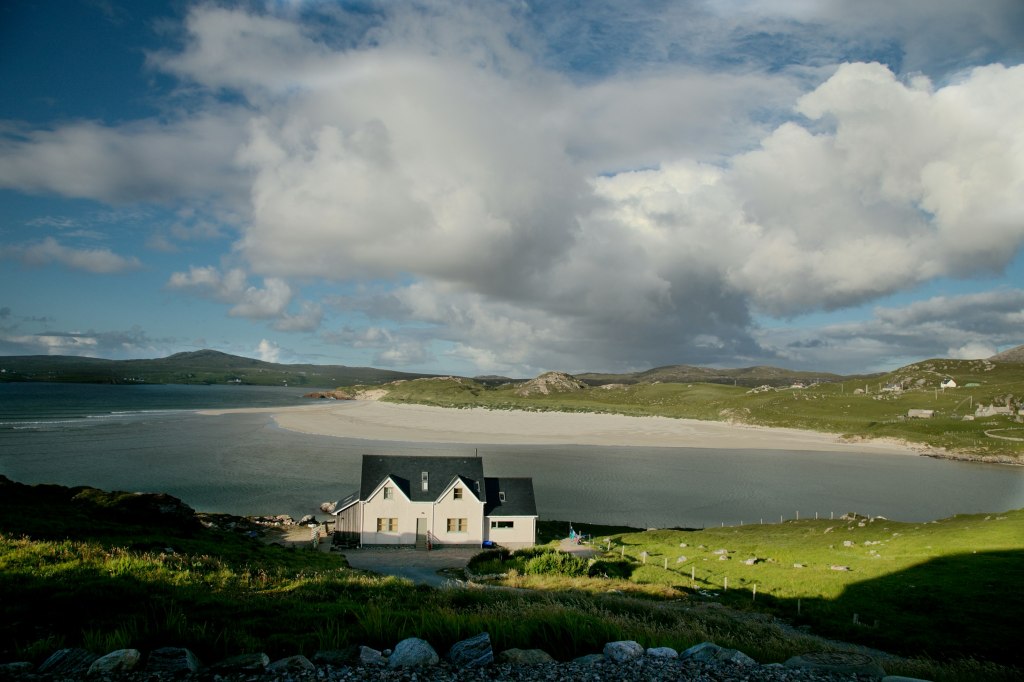
I have a lot of writing to do as well as reading. I’m trying to read all the classics along with some of the newer stuff. Some traveling, though not a lot, is on my mind too. There are still a few places I’d like to see, a little traveling that I have left to do. I would love to visit New Zealand. There are also only two European countries I haven’t seen. One is Switzerland and the other is Scotland. I especially want to go to the Scottish Highlands since one half of my DNA comes straight from there., Another fourth of my DNA comes from the Hebrides Islands off the west coast of Scotland. The last fourth is from Sweden and I have traveled there several times. I still have cousins in both Scotland and Sweden who I would love to meet in person. I don’t know if I’ll be able to travel to any of these places in the coming years, but I certainly hope so. Where would you like to go on your travels?

Scottish Highlands

Stockholm, Sweden

Isle of Lewis, Scotland

My ancestors came from each of these places.

A funny story. Former U.S. President Donald Trump’s mother emigrated from the Isle of Lewis, Scotland to America.

Do any of you engage in genealogical research when you aren’t writing? I have worked on my genealogy off and on since I was 18 years old. I’m interested in exploring so many of my family lines. I’ve developed family trees for my paternal grandfather’s line (Sweden) and my maternal grandfather’s line (Scotland). My maternal grandfather’s ancestors were in America before the Revolutionary War that split the U.S. from Great Britain.

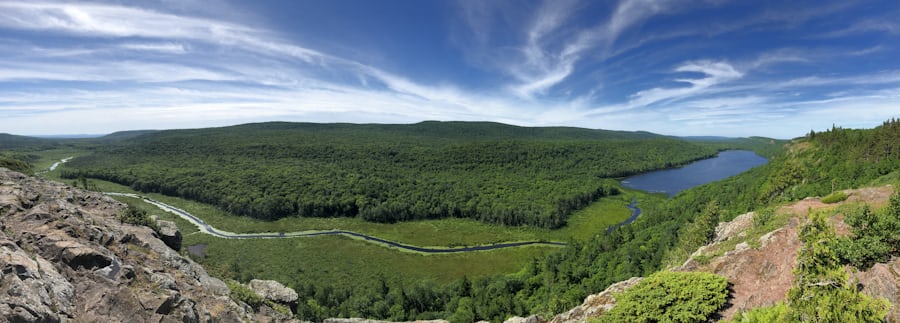
My paternal grandfather’s family were new immigrants in the early 20th century, immigrating from Sweden to the state of Michigan in the U.S.; northern Michigan to be precise.

Porcupine Mountain Wilderness State Park in the Upper Peninsula of MIchigan, US.

Other than dreaming about traveling and writing, my week has been pretty quiet. Unfortunately, I’m dealing with some illness in my family and am consumed with concern and involvement with that. It’s one of the disturbing things about getting older. Family and friends start to get sick.

If you are ever curious about the state of Kentucky in the U.S., I have a book for you. One of the things Kentucky is known for is thoroughbred horse breeding and racing. We are only a few miles from the Bluegrass region of Kentucky where the limestone in the ground turns the grass blue in the spring. It is particularly good for horses. The horse industry has thrived here since the 1700s. I am reading a wonderful book depicting the history of the horse industry in Kentucky set in a wonderful story. The book is called “Horse” by Geraldine Brooks. I highly recommend it. What are you reading?

Thank you for joining my #weekendcoffeeshare. It’s been wonderful to see and spend time with all of you. Have a great upcoming week!

Thanks to Natalie the Explorer for hosting #weekendcoffeeshare!
Posted in Non-fiction, Travel

Travel: Sophie’s Adventures at Carter Caves State Park, Kentucky, USA

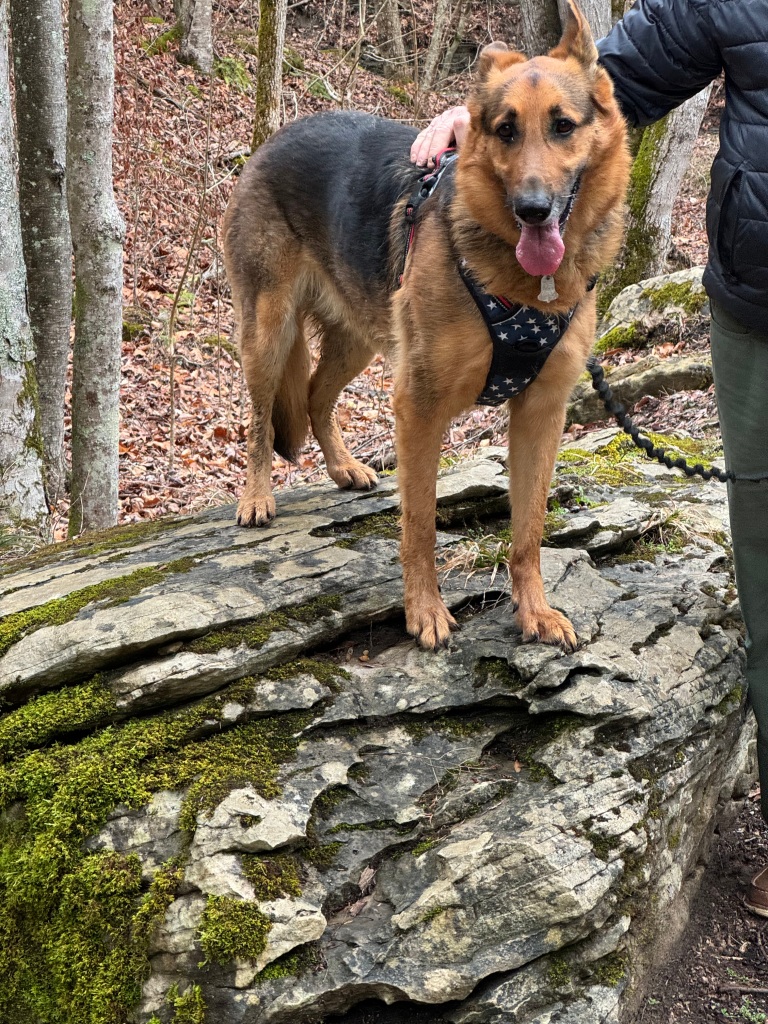
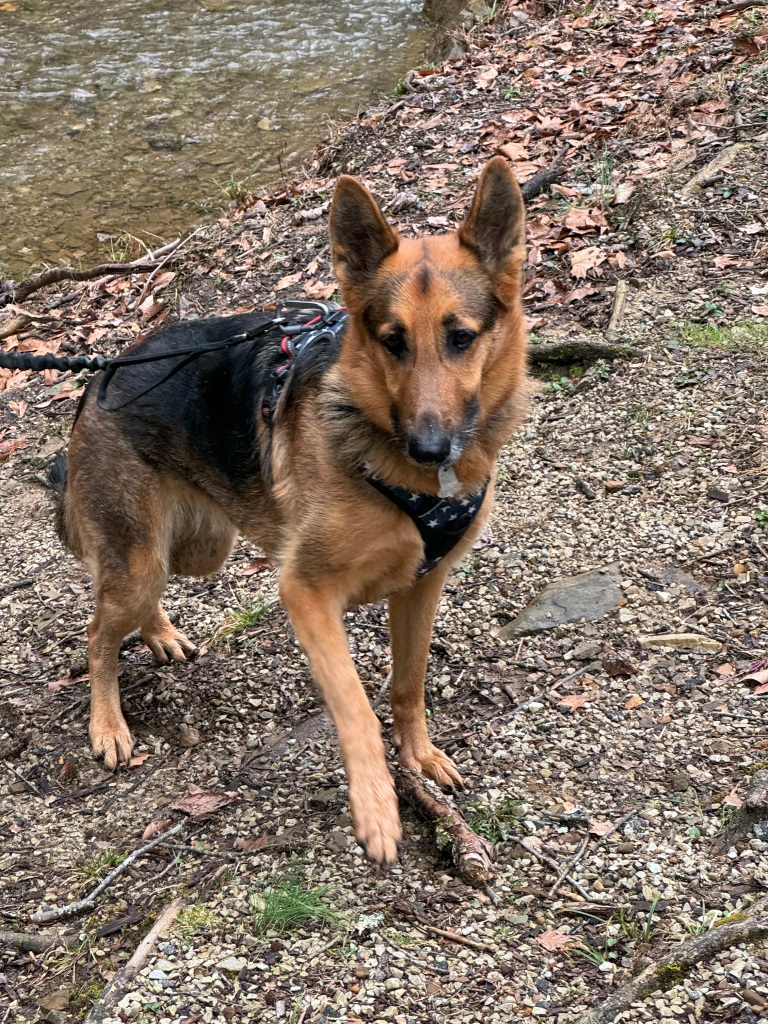
Today we took a short trip, really just an afternoon trip, primarily to spend some time outdoors with Sophie, my German Shepherd dog. Sophie is the most wonderful companion. Smart, well-behaved, curious. Everything you want a dog to be. She was, unbelievably, a rescue. She’s around two years old, perhaps two and a half and we really don’t know her story. But, when she came to us, she was perfectly trained although she had been passed from person to person all of her young life due to a divorce in her initial family.

We try to get Sophie out in the world fairly often. She has a lot of space at my house, but German Shepherds are smart, curious and easily bored. Kentucky has a wonderful system of state parks and we spend time at various parks to give Sophie some richness of experience. She also gets a hamburger and some ice cream!

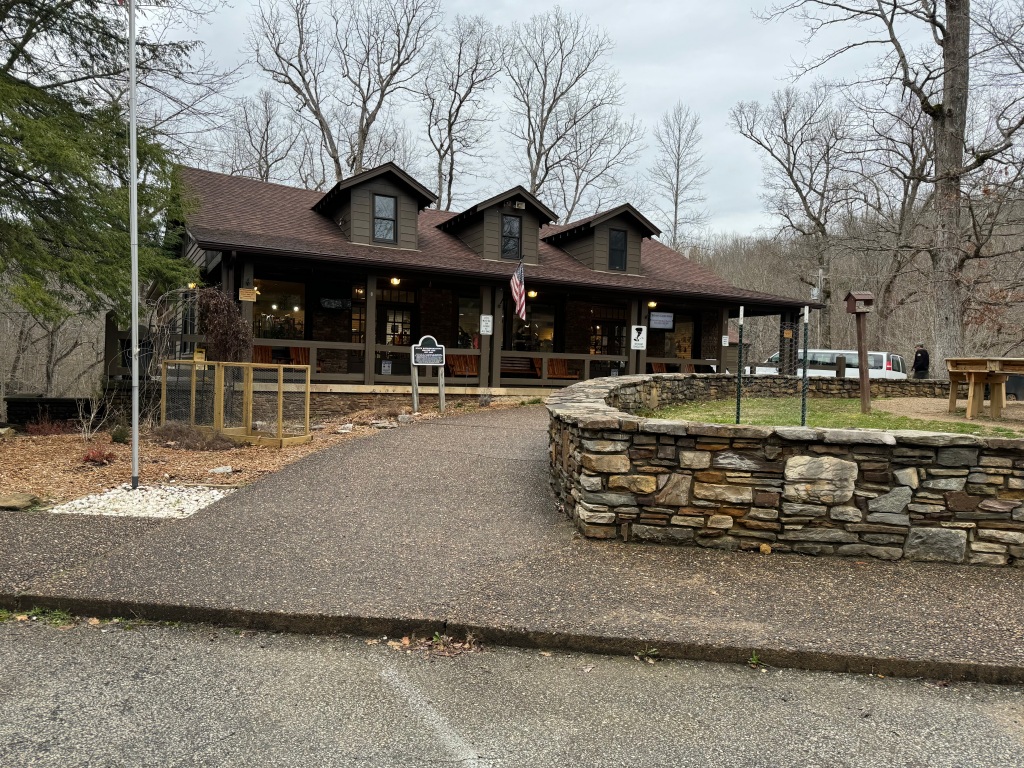
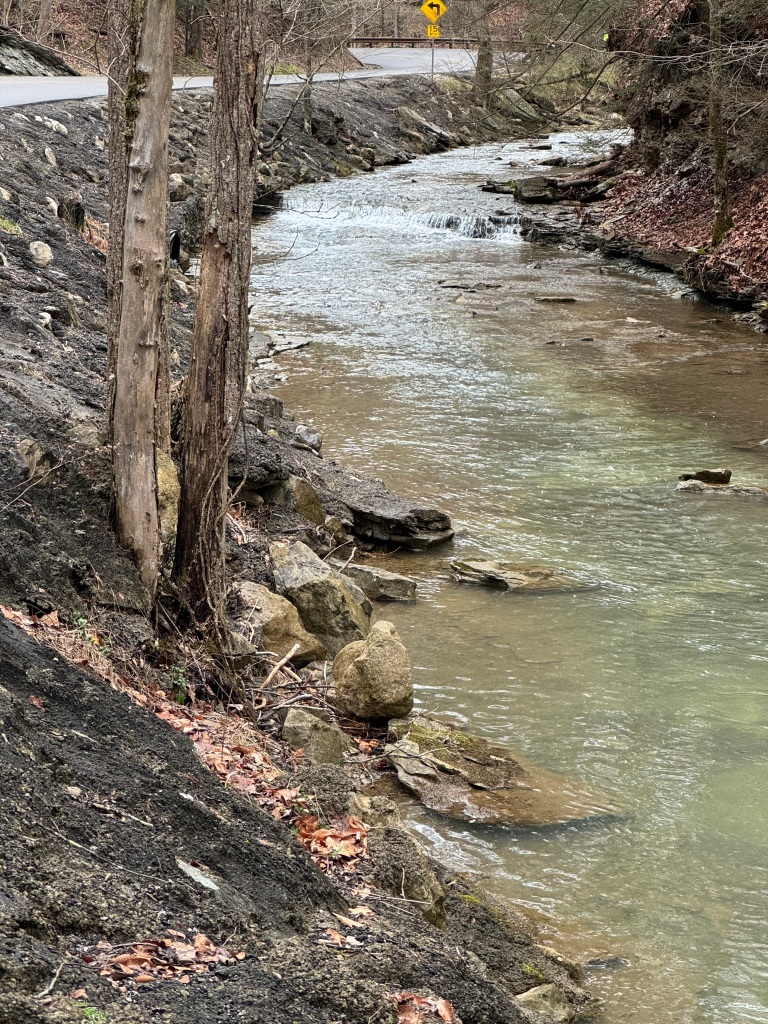
Our adventure today was to Carter Caves State Park which is about 20 miles from my home. It’s in one of many of the cave areas in the state of Kentucky. Most of the underlying rock in Kentucky is limestone and over eons of time, caves have been carved into the limestone. In this state park, the caves are fairly small compared to other cave areas and have, for the most part, been closed due to a disease that is plaguing the bat population in the eastern United States. Even in the summer, there is no exploration of the caves allowed. When I was growing up nearby, the caves were all open for exploration.

There is still a lot to enjoy at this Kentucky State Park for avid outdoors people. Lots of hiking and backpacking, a nice campground for RV camping, and a beautiful lake for fishermen surrounded by heavy hardwood forest. There is a nice restaurant, good southern U.S. cooking and a lodge.

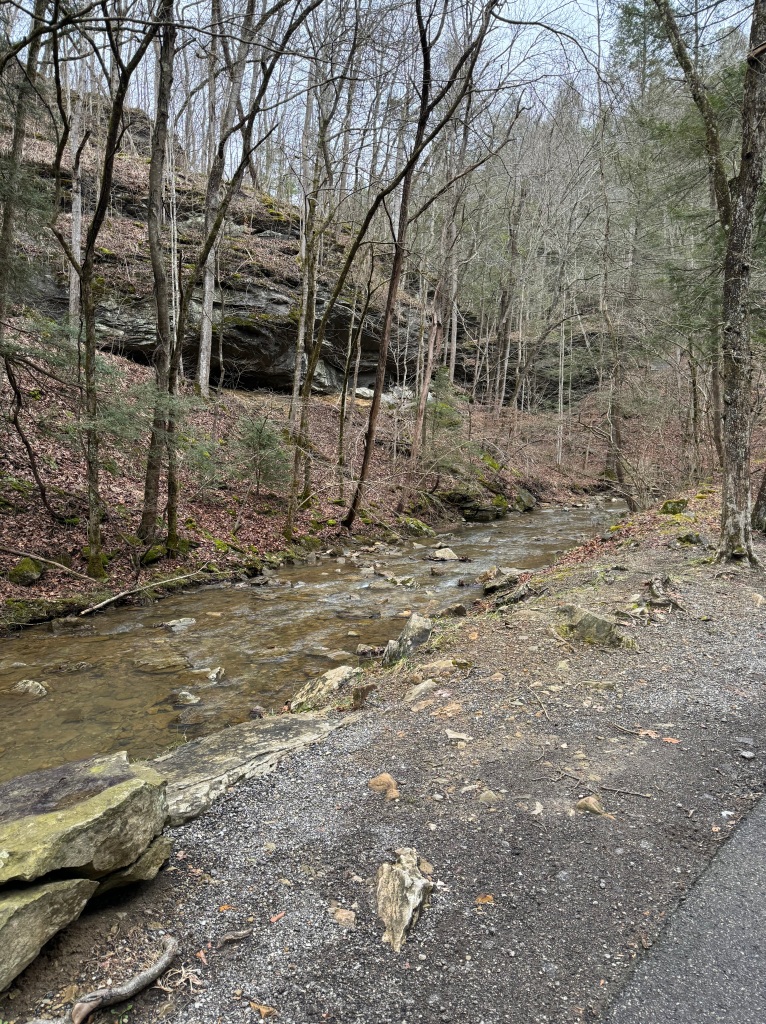
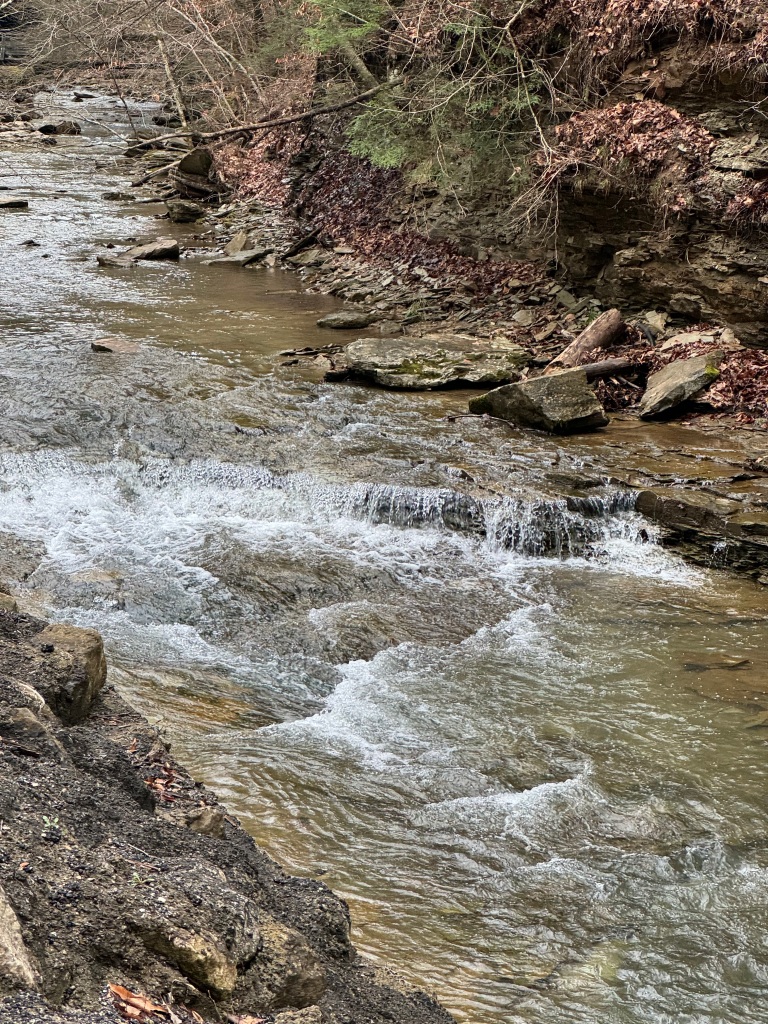
Sophie didn’t go there for any of that! She needed an outing and she loves to ride in the Jeep and go to new outdoorsy places. She had a blast today. Rock climbing, smelling lots of new things, getting her feet wet in the beautiful creek, sniffing at the entrances of the caves. We walked most of the afternoon until we were all ready to head back to the Jeep. Sophie (and I) will sleep well tonight.

@rosemarycarlson

Posted in Politics

Does Capitalism Need Democracy?

It’s a beautiful Sunday morning, but cold, in northeast Kentucky. If you just look out the window, it looks like June. If you walk out the door, it’s January. At least it is a sunny winter day!

I heard a news clip first thing this morning – a debate about democracy and the state of our democracy in the U.S. Since my field is finance (though my interests range far and wide), the news clip made me ponder our form of government, which is democracy, and think about it in relation to our economic system, which is capitalism. Since many or most Americans believe firmly in an economic system of capitalism, how can we also believe in a dictatorship where businesses are owned by the government and workers are only paid a wage? I see a contradiction there.

Some fear that the U.S. is moving toward the theocracy form of government where the laws of the state are based on the laws of whatever the dominant religion is in the country and the leader is seen as some sort of religious deity. Although there may be less room for corruption in a theocracy since governmental activities are confined to a few, most theocracies are unstable. Although there are theocracies that have a fairly successful capitalistic economic system, Israel being an example, there is not as much economic growth or personal freedom as in a democracy. Again, I see a contradiction.

Then, we have the monarchy form of government, but I’m not even going there today!

Americans, or most Americans, believe in a capitalist form of economic system. They denounce socialism since they don’t want the government to own the means of production or the companies that drive economic growth, development and stability.

We have a lot to think about and consider in this most important election year of 2024. We have two candidates running for the highest office in the land with very different perspectives. What are your thoughts? Comments?

@rosemarycarlson

Posted in Blog Series

#23: Adventures in RV Travel – February 16, 2017

img_0859img_1469

The End of the Road

Hello everyone! Tonight, I’m writing you from our home in Kentucky. It’s exciting that now we have two homes, one in Kentucky and one in South Florida! I do love both places. The pictures above are of each place — Kentucky on the left, then South Florida. Both beautiful places to live for very different reasons.

Our RV trip to South Florida, then to the Florida panhandle, couldn’t have been more wonderful! In South Florida, we got to have a wonderful, month’s long, vacation. But, even more important than that, we got to buy a small place of our own on an island that we’ve loved for almost ten years. We love the island, the people, the environment  there. It’s a true “Jimmy Buffett” lifestyle. I feel like I’m living in Margaritaville when I’m there!
Then we got to visit the Florida panhandle for the first time. The panhandle may have the most beautiful beaches I’ve ever seen this side of the Caribbean. Nothing can top the beaches of the Bahamas and the Virgin Islands, but the Florida Panhandle comes close. Of course, our viist to the Panhandle was largely to see our friends, Marty and Phil, and we enjoyed that so much.

We did have one mechanical problem with the RV. For me, RV’s are like boats! It’s always something. Some small problem and there was one trip, one time (to New England in the RV) when there were several BIG mechanical problems. This time, for those of you who are RVer’s, it was the donut gaskets and my traveling companion replaced them within a couple of hours.

One WARNING to all of you RVer’s. Before you schedule a stay at a RV park, ask them if they allow you to make small on-site repairs if need be. The RV park at Carrabelle Beach on the Florida panhandle did not allow such small repairs. The RV park at Pine Island on the Florida peninsula did. It makes a world of difference if you have a problem. We had to find a parking lot as we left the panhandle and an owner who would let us stay for a while in order to make our repairs.

It was sort of a long, hard trip home. We spent a lot of time on two-lane roads, leaving the Panhandle and getting back to the Interstate where we needed to be. A good bit of that time was at night. There are very few services, these days, on two-lane roads since most services are found around the interstate highway system. We had to drive long distances to find places to stay. We were grateful when we had made our way to the interstate. Since we started our trip home late one night, we spent that night on the road and then another night, fairly close to home. We got home in the middle of the day today.

All of you RVer’s know what it’s like to unload an RV after a month long trip! It is not for the faint of heart! We have not nearly finished but we have stopped for the night. I’m going to have to get accustomed to the cold again before I can be out at night in what passes for a Kentucky winter this year. It’s 38 degrees here tonight.

I will look back on this RV trip as a huge highlight in my life! Part of the fun has been writing these blog posts almost every night for all of you. I’ve enjoyed knowing you experienced it with me. We will be traveling more and I will always include you in my travels!
Posted in Appalachia, Eastern Kentucky, history, Uncategorized

Appalachia: Settlers of Eastern Kentucky in the 1700s

image

The eastern seaboard of America was settled, as we all learned in elementary history classes, in the 1600s, by the English. For the most part, most scholars agree that these settlers were of the English middle class and even some of their landed gentry, seeking their fortune in the New World. The English liked the New England portion of America, the northern seaboard. Even the climate was suitable for them. They became fishermen and farmers. Even craftsmen had come from England and set up shop in villages and town that sprung up.

Even though the climate of the southern coast of America did not suit the English, planters discovered the agricultural value of the southern coastal areas. Slaves were imported from Africa to do the hard work in the hot sunshine. The plantation society was driven by the ever-increasing demand for the largest cash crop at that time — tobacco. When  cotton entered the picture as another important crop, the slave trade from Africa could not keep up and plantation owners turned to England to try to find work hands. They succeeded.

The cities of England were not pleasant places. Hygiene was poor and crime was rampant. England was ever so happy to get rid of some of its citizens who lived on the cusp of polite society. There were honest men seeking a better life ready to come to the sunny part of the New World, but there were also thieves, men avoiding  the military, and even orphan children. These were the people who joined the slave labor force on the plantations of the New South along the coast. Many became indentured servants. Later, they were referred to as “rednecks” and “hillbillies” and are even in the modern day.

Many of the laborers died on the plantations. Those who did not die served out their bonds, or escaped, and headed northwest, toward the cooler mountainous regions of what would be known as Appalachia.

Southern laborers of English descent were not the only source of population growth in Eastern Kentucky. Boatloads of Scots-Irish people landed nearPhiladelphia around the time of the Revolution. They were self-reliant, courageous people and struck out on their own westward, toward the mountains. A large number settled in Eastern Kentucky and thrived. Another route to the mountains, far easier than crossing them, was the Ohio River. Evidence is that large number of both Northern Englanders and the Scots came into Kentucky by that route with the Northern English prevailing. Irish can also be found by examining the names found in the region.

Mountain people. Mountaineers. Kentucky Highlanders. The Appalachian people, in general, and the people of  Eastern Kentucky specifically, are called mountain people by most of the authors of stories and histories about the region.  They became the distant ancestors of much of parts of present-day Appalachian and the Eastern Kentucky people. They came to the mountains in order to escape interference from government and to gain privacy from their neighbors. These people were often called derogatory names like hillbillies and rednecks. They began to farm the creek bottoms and live above them in caves, under rock overhangs, and cabins. They were some of the people who helped established this country, though in a limited geographic area, as these mountain people showed no inclination to move further west.

Watch this space for more on Appalachia and Eastern Kentucky.Mou